The Journey of Pastırma from Kayseri to the Anatolian Table
Certain foods become emblematic of a city not merely for their flavour but also for the manner in which they are produced. For Kayseri, pastırma is precisely such a product.
When sliced thinly, pastırma resembles an almost elegant charcuterie item; yet behind it lies an extensive preparation process: salting the meat, air-drying it, resting it under pressure, drying it once more, and finally coating it with çemen…
Thus, the history of pastırma is not simply the story of a meat product. It is also the story of methods developed to preserve meat for extended periods evolving over time into a gastronomic culture.
Today, Kayseri pastırma may be found on classic breakfast tables, in egg-based recipes, or in hot dishes, as well as on more contemporary plates.
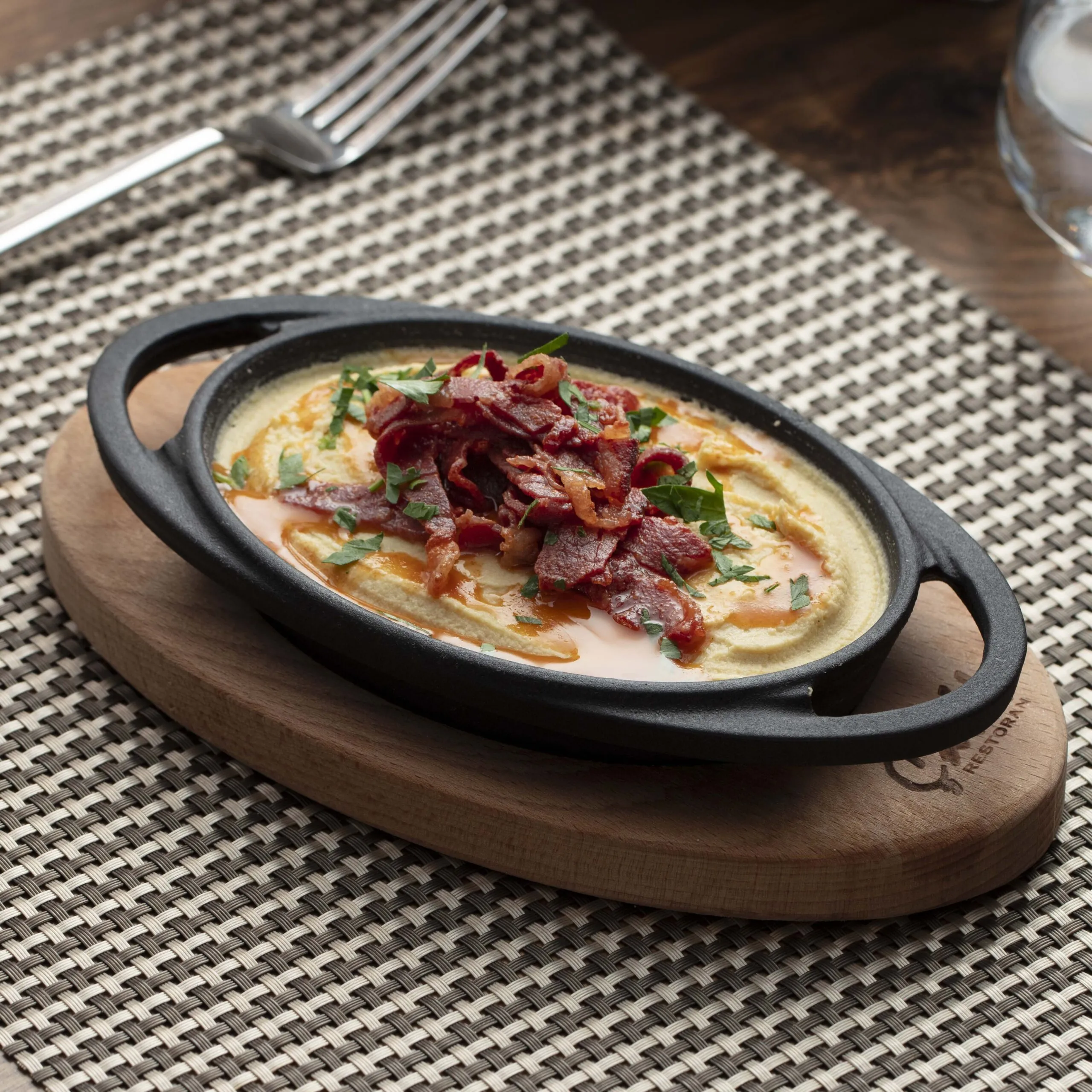
Pastırma-topped hummus stands as one of the finest examples of this transformation.
Where Does the History of Pastırma Begin?
Preserving meat by salting and drying was of paramount importance in an era before refrigeration technology existed.
The records of the Ministry of Culture and Tourism concerning Kayseri’s culinary culture also indicate that the tradition of pastırma is linked to Central Asian practices of meat preservation that extended into Anatolia. In nomadic life, making meat portable and durable was of great importance. As communities settled, these methods evolved, giving rise to diverse production techniques.
However, to define the Kayseri pastırma as we know it today merely as “dried meat” would be incomplete.
This is because production in Kayseri has, over time, developed a distinctive technique, a relationship with the local climate, and a culture of çemen.
Why Did Kayseri Become Synonymous with Pastırma?
Today, Kayseri pastırma is not only a traditional product associated with the city but also a gastronomic value protected by a geographical indication.
According to TÜRKPATENT records, Kayseri Pastırması was registered as a geographical indication on 25 June 2002, under registration number 36. Its geographical boundary has been defined as the province of Kayseri.
As of 2026, the product’s international recognition has also been strengthened. Kayseri Pastırması has been registered as a geographical indication by the European Union and has thus joined Turkey’s list of products registered with the EU.
At the heart of this protection lies not only the product’s name but also its production technique.
How Does Kayseri’s Climate Influence Pastırma?
The official registration document for Kayseri pastırma specifically highlights the city’s climate, which is particularly suited to curing.
It is noted that warm days and cooler evenings, accompanied by breezes, help the meat to dry in a controlled manner.
The aim in making pastırma is not merely to dehydrate the meat.
The rate of drying must be balanced.
If it dries too quickly, the surface may harden.
If it dries too slowly, the desired texture may not develop.
For this reason, the climate functions in traditional production much like one of the recipe’s unseen ingredients.
How Is Kayseri Pastırma Made?
According to TÜRKPATENT’s geographical indication certificate, pastırma undergoes several stages before reaching the table.
Preparation and Salting of the Meat
Beef intended for pastırma is cut into suitable pieces and salted with coarse rock salt.
After being left to rest for a specified period, the meat is washed thoroughly with plenty of water.
Initial Drying
The washed meats are taken outdoors and left to dry for several days, depending on the weather conditions.
This stage is merely the beginning of the production process.
Pressing and Resting
The stage at which dried meats are stacked on top of one another and left to rest under pressure is referred to as “denkleme”.
Pressing the meat helps give pastırma its characteristic flat shape.
The meat is then brought back outdoors to be dried a second time.
Coating with Çemen
One of the most distinctive stages that set pastırma apart from other cured meats begins here.
The surface of the meat is coated with a layer of çemen and then dried for a third time. The registered recipe also specifies that the çemen layer must not be excessively thick.
What Is Çemen, and Why Is It So Important in Pastırma?
It is impossible to speak of pastırma without considering çemen.
The geographical indication specification for Kayseri Pastırması lists fenugreek, garlic and red pepper among the essential components of çemen.
This mixture not only imparts its strong aroma and spiced character to the pastırma.
The records held by the Ministry of Culture and Tourism for Kayseri pastırması also state that the çemen layer helps protect the meat from external influences, prevents excessive drying and reduces its contact with air.
Thus, çemen is integral to both flavour and production technique.
Why Is the Aroma of Pastırma So Distinctive?
The garlic, fenugreek and red pepper within the çemen play as significant a role as the meat itself in shaping pastırma’s characteristic aroma.
Consequently, there is a clear difference in aroma between pastırma with and pastırma without çemen.
The robust character of Kayseri pastırma derives largely from this layered production process.
Is Pastırma Eaten Only at Breakfast?
Limiting the use of pastırma at the table to breakfast alone would present an incomplete picture of Kayseri cuisine.
According to the regional culinary records maintained by the Kayseri Provincial Directorate of Culture and Tourism, pastırma is listed among the city’s fundamental culinary staples. The Kayseri Metropolitan Municipality also notes the existence of numerous dishes prepared with sucuk and pastırma within the city’s cuisine.
Pastırma may be used;
with eggs,
in baked goods,
in hot dishes,
in certain starters,
and in pide and similar oven-baked products
in a variety of ways.
What is important here is that the product’s thinly sliced, intensely aromatic nature is properly balanced with other ingredients.
How Does a Traditional Product Endure on the Modern Table?

Preserving regional cuisine does not mean presenting every traditional product solely as it was consumed a century ago.
Sometimes the product remains the same, but the dish changes.
The use of pastırma today in various starters, hot dishes, and modern restaurant interpretations is another example of this.
The important thing is to forge a new partnership without losing the character of the product.
Due to the pronounced saltiness of pastırma, the aroma of çemen, and its rich meaty character, any accompanying ingredient must serve to balance these elements.
It is precisely here that hummus with pastırma transforms into an intriguing combination.
Hummus with Pastırma Why Is It a Good Match?
The main components of hummus are chickpeas and tahini.
It offers a soft-textured, creamy base with a relatively mild flavour.
Pastırma, by contrast, is considerably richer, saltier and more highly spiced.
When two products are placed side by side, rather than repeating each other, they complement one another.
Contrast in Texture
When lightly fried or served warm pastırma is placed atop the creamy hummus, two distinct textures—one soft and the other firmer—meet in the same mouthful.
Balance of Aromas
The oily, earthy aroma of tahini balances the bold fenugreek-spice coating of pastırma.
Suitability for a Shared Table
Hummus is usually a meze or starter that comes to the table.
Adding the pastırma (spiced, air-cured beef) makes the dish more robust and filling while retaining its shareable nature.
Therefore, hummus with pastırma is much more than just two traditional products randomly placed side by side.
Is Pastırma-Topped Hummus a Traditional Dish of Kayseri Cuisine?
An important distinction must be made here.
Kayseri pastırma is a traditional product from Kayseri with a protected geographical indication. However, humus with pastırma is not one of Kayseri’s historic, officially registered classic dishes.
It is a more contemporary restaurant interpretation.
However, thanks to the pastırma culture used, the dish can forge a strong connection with Kayseri cuisine.
Maintaining this distinction is important when describing regional dishes.
By distinguishing traditional recipes from modern interpretations, we both accurately convey culinary history and create space for the creativity of contemporary gastronomy.
Pastırma Hummus at Çakı Restoran
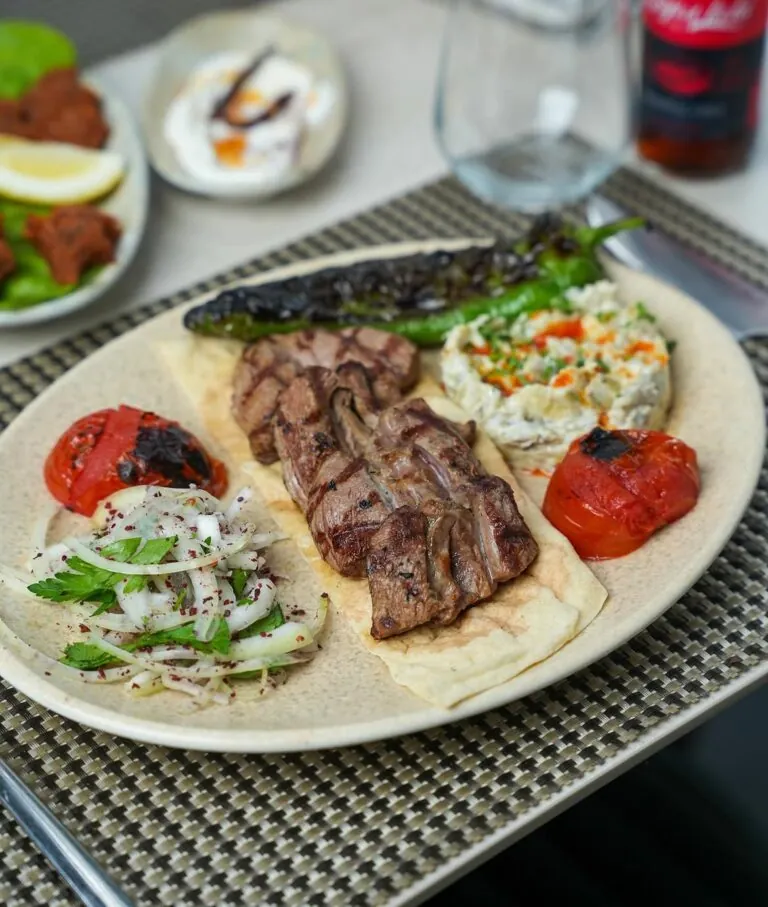
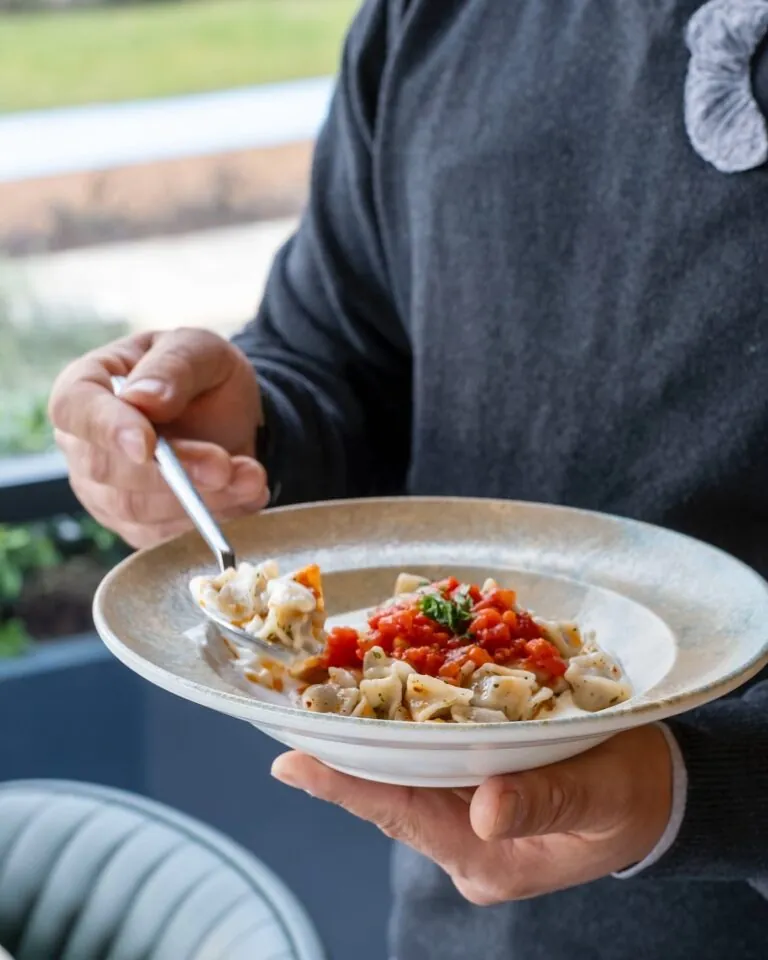
The current Kayseri menu at Çakı Restoran lists pastırma-topped hummus at 325 TL. Kayseri mantı, oxtail pide and yağlama are also featured in the same section.
In the restaurant’s previously published article, *The Kayseri Culinary Experience*, Pastırma-Topped Hummus is described as one of the warm starters where the creamy texture of chickpeas and tahini meets the rich aroma of pastırma (spiced, air-cured beef).
This dish is also an interesting example for understanding Çakı’s approach to Kayseri cuisine.
Because the aim here isn't simply to recreate an old Kayseri dish exactly as it was.
To bring together one of Kayseri’s distinctive gastronomic products with another table staple that boasts deep roots in Anatolian and neighbouring cuisines.
Another Way of Sustaining a Traditional Product
The cultural continuity of a product sometimes depends on its ability to be consumed in new ways by different generations.
When pastırma is confined to breakfast or to dishes containing eggs, it may be perceived as belonging to a particular kind of table.
When it meets a modern starter perfect for sharing, such as hummus, the product becomes part of a different culinary experience.
This approach does not eliminate the traditional product.
On the contrary, it broadens the product’s scope at the table while preserving its character.
From Kayseri to Başakşehir: The Culture of Pastırma
The expectations of those wanting to explore Anatolian cuisine in İstanbul are gradually changing.
No longer are the only questions posed “where can one eat kebab?” or “where can mantı be found?”
Başakşehir Anatolian cuisine and Başakşehir regional dishes searches also attract an audience seeking to discover the products of specific cities and their varied interpretations.
Kayseri pastırma is a particularly strong example in this regard.
A method developed over centuries for preserving meat gradually became a gastronomic symbol of the city, secured by a geographical indication, and continues to live on in various dishes today. The registration of Kayseri pastırma within the European Union demonstrates that this local product has now become a recognised gastronomic asset on an international level.
Traditional and Contemporary Faces of Anatolian Cuisine in Başakşehir
The strength of Anatolian cuisine does not lie solely in reproducing old recipes unchanged.
Knowing the story of the product, preserving its technique, and, when necessary, carrying it appropriately to a new table are also part of sustaining this culture.
Within Çakı Restoran’s approach of “from breakfast to kebab in Başakşehir, the leading destination for Anatolian cuisine”, Pastırma-Topped Hummus occupies a distinct place precisely at this point.
While Kayseri Mantı and Yağlama represent more directly regional recipes, Pastırma-Topped Hummus demonstrates how a traditional Kayseri product can live on in a more contemporary starter dish.
For those who wish to gather with family at a quiet, carefully laid table on Istanbul’s European Side, to introduce guests from outside the city to the diverse flavours of Anatolia, or to experiment with more distinctive interpretations alongside the classics among Başakşehir regional dishes, such plates lend the menu a distinctive character.
For sometimes, the way to keep a tradition alive is not simply to leave it in the past.
The arrival today of pastırma from Kayseri on a plate of hummus is yet another stop on this long journey.
Frequently Asked Questions
What is pastırma?
Pastırma is a traditional meat product prepared by subjecting beef to processes such as salting, drying, pressing and coating with çemen. The production method of Kayseri Pastırması is described in detail in its geographical indication registration document.
Is Kayseri Pastırması protected by a geographical indication?
Yes. Kayseri Pastırması was registered as a protected geographical indication on 25 June 2002, under registration number 36.
Is Kayseri Pastırma registered within the European Union?
Yes. Kayseri Pastırma has been registered as a geographical indication within the European Union and is among Turkey’s products registered with the EU.
What is in the spice mix for pastırma?
The key ingredients of çemen in the registered production recipe of Kayseri Pastırma include fenugreek, garlic, and red pepper.
Is çemen used only for flavouring?
No. According to the records of the Ministry of Culture and Tourism, çemen not only adds flavour to the meat but also helps protect it from external factors and limits excessive drying.
Is hummus with pastırma (spiced, air-cured beef) a traditional Kayseri dish?
Pastırma-Topped Hummus is not a classic and registered Kayseri dish. It is a contemporary restaurant interpretation in which Kayseri’s traditional pastırma product is combined with hummus.
Is Pastırma-Topped Hummus available at Çakı Restoran?
Yes. Çakı Restoran’s current Kayseri menu includes Pastırma-Topped Hummus. The menu and prices may change over time.