Layered Dough, Minced Meat, and the Anatolian Table Tradition
One encountering it for the first time might describe it as a layered dough dish. Yet, after the initial bite, it becomes far easier to understand why Kayseri Yağlaması stands as one of the defining dishes of Kayseri cuisine.
Shebit dough rolled paper-thin, a minced-meat filling cooked with tomatoes and peppers, layers stacked one atop another, and the yogurt served alongside when the dish arrives at the table…
The true story of yağlama, however, begins somewhat further back. It originates from Kayseri’s vineyard houses, from breads baked on a sac, and from the tradition of sharing meals at large tables.
So what exactly is Kayseri Yağlaması, and from which region does yağlama hail? And how did the layered serving style we know today come into being?
What Is Kayseri Yağlama?
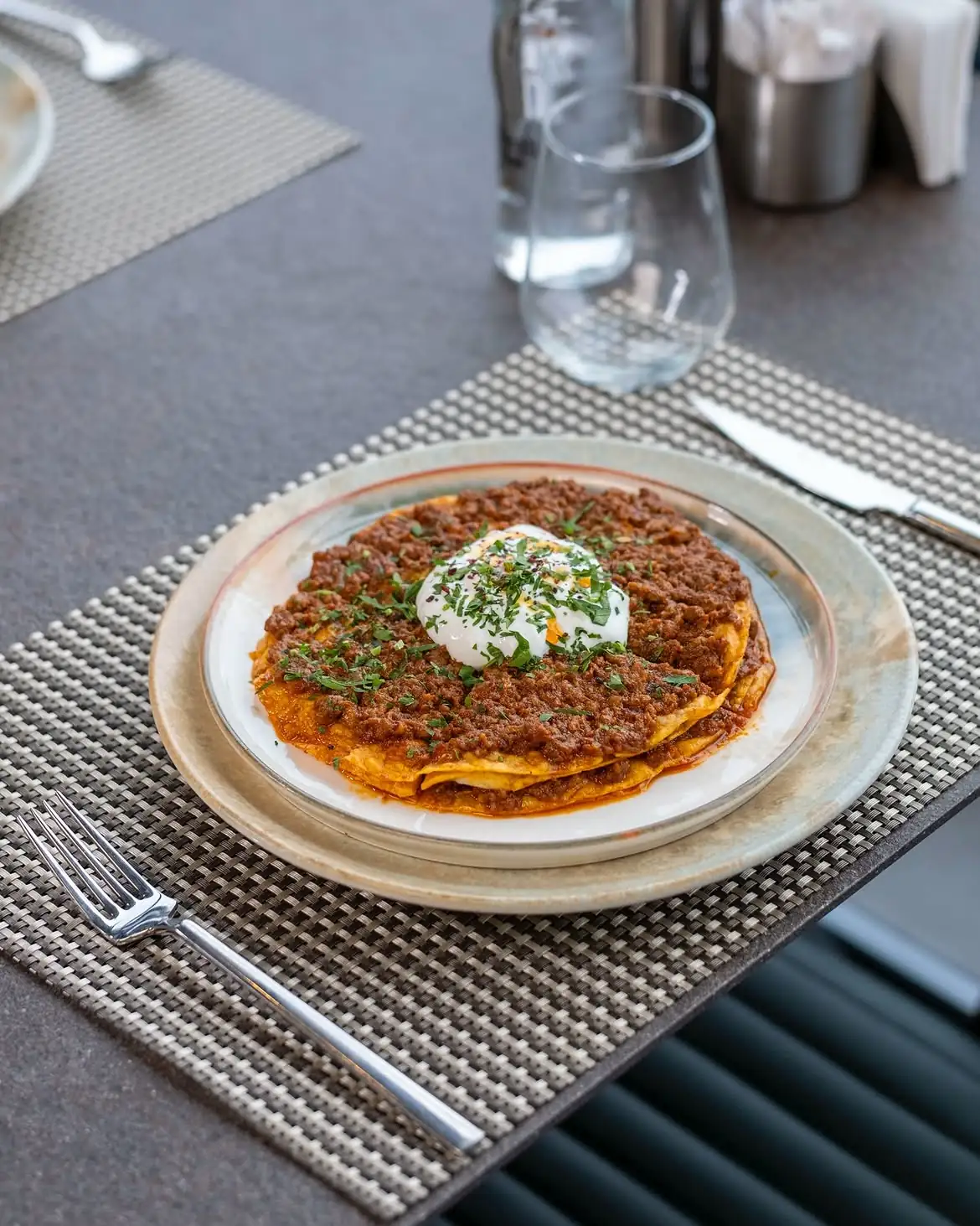
Kayseri Yağlaması is a traditional Kayseri dish made by layering minced-meat filling between thin flatbreads known locally as şebit.
The Turkish Patent and Trademark Office’s geographical indication registration describes the dish’s fundamental composition with considerable clarity.
The thinly rolled dough is cooked. The minced meat is combined with a mixture of onion, tomato, green pepper, tomato paste, and pepper paste. The layers are then stacked alternately: one şebit, followed by a layer of minced-meat filling.
It is served with plain or garlic yoghurt.
In this form, yağlama is neither a pide in the classical sense nor merely a minced-meat pastry. It is a distinctive table dish, shaped by the interplay of dough, filling, and method of service.
From Where Does Yağlama Originate?
As its name suggests, Kayseri Yağlaması belongs to the cuisine of Kayseri.
Moreover, this provenance is not based solely on regional accounts. Kayseri Yağlaması was registered as a geographical indication by the Turkish Patent and Trademark Office on 12 July 2021.
At the heart of the dish’s connection to Kayseri—whose provincial boundaries define its geographical origin—lies a rather intriguing table tradition.
The Story of Kayseri Yağlama Begins in Vineyard Houses
To understand the history of Kayseri cuisine, it is also necessary to know the city’s former viticultural culture.
During the periods when the people of Kayseri spent their summers, in particular, in vineyard houses, their daily bread needs were met at home. The doughs that were kneaded were cooked on a saj in various forms, such as bazlama or şebit.
TÜRKPATENT’s registration document for Kayseri Yağlaması also makes specific reference to this tradition.
Over time, the use of these thin şebits with different ingredients contributed to the formation of the yağlama tradition, which today is one of the most recognisable dishes of Kayseri cuisine.
In other words, the story of yağlama encompasses not only minced meat and dough but also Kayseri’s viticultural heritage and domestic culinary culture.
What is şebit?
To understand yağlama, one must first become acquainted with şebit.
Şebit is one of the traditional types of bread in Kayseri, rolled out thinly before being cooked. It is important that the şebit used in yağlama should not be too thick. This is because the dish is prepared not with a few layers but by stacking numerous sheets of şebit one atop another.
If thick dough is used, the flavour of the minced-meat filling may be overshadowed, and yağlama’s characteristic soft texture may be lost.
In a well-prepared yağlama, the şebit transcends its role as merely a base to hold the filling. It absorbs the filling’s moisture and aromas, becoming an integral part of the dish itself.
The Secret Behind the Layered Preparation of Kayseri Yağlaması

The most distinctive feature that sets yağlama apart from other dough-based dishes is undoubtedly its layers.
A cooked şebit is placed on a serving plate, and hot minced-meat filling is spread over it. A second şebit is then positioned atop, and the process is repeated.
As the layers accumulate, the tomato-infused juices from the minced-meat filling begin to permeate the şebit.
It is precisely for this reason that the consistency of the minced-meat filling is important.
The Filling Should Be Neither Too Dry Nor Too Wet
Alongside minced meat, the traditional recipe includes onion, tomatoes, green peppers, tomato paste, red pepper paste and spices.
If the filling is prepared too dry, it will not soften the şebit sufficiently; if it is too wet, the structure of the layers may be compromised.
It is here that culinary skill reveals itself. The şebit should absorb the moisture from the minced-meat filling without becoming doughy.
Why Does Thin Dough Matter?
One should not be misled by the lofty appearance of the yağlama. Its true purpose is not to create a thick pile of dough.
When a balanced amount of filling is placed between the thin sheets, each bite allows the dough, minced meat, vegetables, and yogurt to be savoured together.
This balance is precisely what defines the character of the yağlama.
Yağlama How Is It Eaten?
One of the details that distinguishes Kayseri Yağlaması is the manner in which it is served.
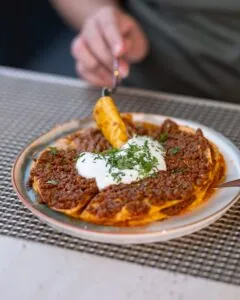
The layered yağlama is generally brought to the table and shared after being sliced. It is accompanied by plain or garlic yoghurt.
The yoghurt here is more than a mere accompaniment. It is an essential element that balances the richness of the minced-meat filling and the sustaining texture of the şebit.
At some tables, while yağlama is eaten with a fork and knife, part of the pleasure of the dish also lies in taking pieces from the traditional shared platter and eating the layers together.
Why Is It a True Anatolian Table Dish?
In Anatolian cuisine, certain dishes derive their significance not so much from individual portions as from the large platters brought to the table.
Yağlama is among its finest examples.
When the stacked şebits arrive at the centre of the table, the meal is naturally shared. A slice is taken, accompanied by yoghurt, and the conversation at the table continues.
For this reason, yağlama represents not only Kayseri’s mastery of dough and meat but also Anadolu’s tradition of eating together.
Indeed, at gastronomic events held in Kayseri today, the fact that yağlama is one of the dishes that brings families and people from different cultures together in the same kitchen demonstrates that this tradition remains alive.
Is Kayseri Yağlaması the Same as Lahmacun?
Owing to their appearance, similarities are occasionally drawn between yağlama and lahmacun. However, their preparation techniques differ considerably.
In lahmacun, the minced-meat filling is placed atop raw dough and cooked together.
In Kayseri Yağlaması, however, the şebit flatbreads are cooked separately, the minced-meat filling is prepared apart from them, and the two elements are then layered together at the serving stage.
Thus, the character of yağlama is defined not by being cooked together in the oven, but by the subsequent union of the baked şebit with the hot minced-meat filling.
In Kayseri Cuisine: The Place of Yağlama
While mantı, pastırma and sucuk are among the first flavours that come to mind when Kayseri is mentioned, the city’s gastronomic culture is far broader than these alone.
Yağlama is also one of the strong representatives of this cuisine.
In recent gastronomic studies prepared by the Kayseri Metropolitan Municipality, Kayseri Yağlaması is considered alongside the city’s distinctive gastronomic values, such as Kayseri Mantısı, Kayseri Pastırması, Kayseri Sucuğu, Nevzine, Kayseri Katmeri and Fırın Ağzı Kebabı.
One of the features that sets yağlama apart is its strong connection to home cooking.
Kneading the dough, rolling out each şebit individually, preparing the filling, and assembling the layers just before they reach the table transform the dish into a painstaking preparation from start to finish.
Why Does Kayseri Yağlaması Continue to Attract Interest Today?
The reason a traditional dish draws attention hundreds of kilometres away, or among people from different countries, is not merely its flavour.
The preparation of yağlama visually narrates the story of the dish as well.
Indeed, in a gastronomic study held in 2026 at the Kayseri Centre for Culinary Arts, attended by French journalists and content creators, participants prepared Kayseri Yağlaması alongside master chefs.
Similarly, in educational programmes on Kayseri cuisine for international students, yağlama is taught as one of the dishes that introduce the city’s culinary culture.
Thus, a dish that once originated from the şebit prepared in vineyard houses has today become one of the recipes conveying Kayseri’s gastronomic identity to diverse cultures.
The Yağlama Table: A Journey from Kayseri to Istanbul
 25
As interest in regional food grows in Istanbul, people are no longer looking simply for “Turkish food”. They also want to explore the cuisines of particular cities and the recipes closely associated with them.
This phenomenon is also evident in searches such as Başakşehir Anatolian cuisine and Başakşehir regional dishes.
Kayseri Yağlaması is precisely such a dish.
Distinct from mantı, from kebab, and from classic pide and lahmacun. This characterful regional dish emerged from Kayseri’s own table traditions and continues to bear the city’s name.
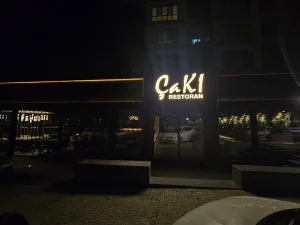
Where to Eat Kayseri Yağlaması in Başakşehir?
This geographically indicated delicacy of Kayseri appears on Çakı Restoran’s current Kayseri menu under the name Yağlama.
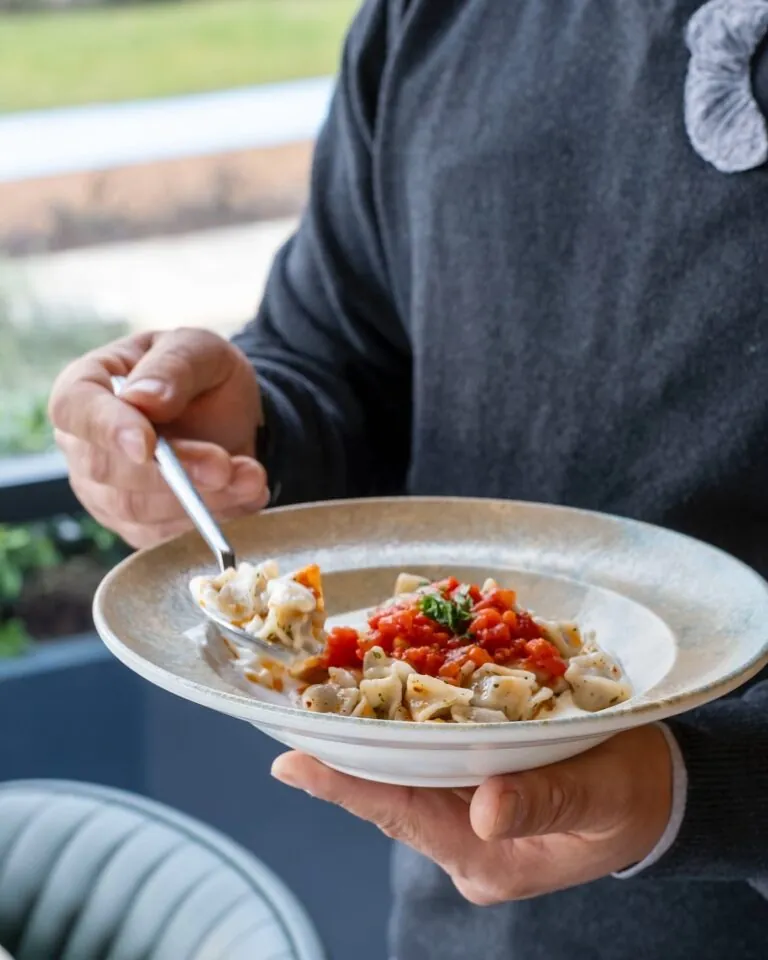
In the Kayseri section of the menu, alongside the yağlama, you will also find Kayseri Mantısı, Pöçlü Pide and Pastırmalı Humus. This makes it possible to experience different interpretations of Kayseri’s dough, meat and pastırma cultures at the same table.
According to the current menu on Çakı Restoran’s website, Yağlama is listed at 745 TL. As menus and prices may change periodically, it is advisable to check the most recent menu prior to visiting.
The connection between yağlama and the culture of sharing is also evident in Çakı’s group menu. The Special Menu, for a minimum of 10 guests, includes Kayseri Yağlaması as one of the intermediate hot courses.
Another Face of the Anatolian Table in Başakşehir
The means of sustaining Anatolian cuisine in Istanbul do not lie solely in offering its most familiar dishes.
The presence on the table of recipes such as Kayseri Yağlaması, which arise from the way of life of a particular city, is far more meaningful in terms of demonstrating the true diversity of the cuisine.
Çakı Restoran’s approach—“from breakfast to kebab in Başakşehir, the leading destination for Anatolian cuisine”—can also be understood through this diversity. Regional options stretching from Malatya’s Geleli Kebab to Kayseri Yağlaması make it possible to explore different cities of Anatolia at the same table.
For those planning a long family meal on the European side of Istanbul, for visitors from outside the city who wish to offer their guests an experience distinct from conventional restaurant choices, or for those seeking regional dishes in Başakşehir, Kayseri Yağlaması is one of the fine beginnings to a warm Anatolian table shared by all.
Amidst the layered şebit flatbreads, minced meat is not the sole component. There is also a rich culinary tradition that has travelled from the vineyard houses of Kayseri to the dining tables of contemporary Istanbul.
Frequently Asked Questions
What is Kayseri Yağlaması?
Kayseri Yağlaması is a traditional Kayseri dish prepared by layering a mixture of tomato, pepper, onion and minced meat between thin flatbreads known as şebit. It is served with plain or garlic yoghurt.
From which region does Yağlama originate?
Yağlama belongs to Kayseri cuisine. Kayseri Yağlaması was registered as a geographical indication by the Turkish Patent and Trademark Office on 12 July 2021.
What is şebit?
Şebit is one of the traditional types of bread in Kayseri cuisine, made by rolling the dough thinly and baking it. It forms the layers of Kayseri Yağlaması.
How is Kayseri Yağlaması eaten?
Yağlama is prepared in layers and typically served sliced. It is traditionally accompanied by plain or garlic yoghurt.
Is Kayseri Yağlaması the same as lahmacun?
No. In lahmacun, the minced-meat filling is cooked together with the dough, whereas in yağlama, the şebit and minced-meat filling are prepared separately before being layered one atop another.
Is Kayseri Yağlaması available at Çakı Restoran?
Indeed. Yağlama features on Çakı Restoran’s Kayseri menu. The menu may be accessed via the restaurant’s current website here.