Turkish cuisine is regarded as one of the world’s most distinguished gastronomic traditions, its regional recipes each bearing the distinct narrative of its cities. Among the most deeply rooted culinary traditions of Central Anatolia, Kayseri cuisine frequently features in gastronomic studies for its mastery of doughwork, prolonged cooking techniques, and intensely flavoured recipes. According to chefs’ consensus, the most notable characteristic of Kayseri dishes lies in their ability to achieve a harmonious balance of rich flavour with a modest array of ingredients.
For residents of Istanbul’s European Side, embarking on lengthy journeys to experience these flavours is no longer necessary. In Başakşehir, where traditional Anatolian tastes are presented through contemporary arrangements, some of Kayseri cuisine’s most cherished recipes are being brought to life once more.
The Elegance of Kayseri Cuisine at the Table
When Kayseri cuisine is mentioned, one of the first things that comes to mind is the painstaking effort involved. The delicacy of the dough, the balance of the filling, the precision of the spices used, and the cooking techniques all form the foundation of this culinary tradition. Holding a prominent place within Anatolia’s productive culinary culture, Kayseri dishes are not merely nourishing but also offer distinctive, characterful flavours.
Contemporary assessments within gourmet circles frequently highlight how Kayseri cuisine preserves the tradition of shared dining, particularly suited to family tables. Warm gatherings accompanied by extended conversation are regarded as one of this cuisine’s strongest attributes.
Kayseri Mantısı: Small in Size, Great in Craftsmanship
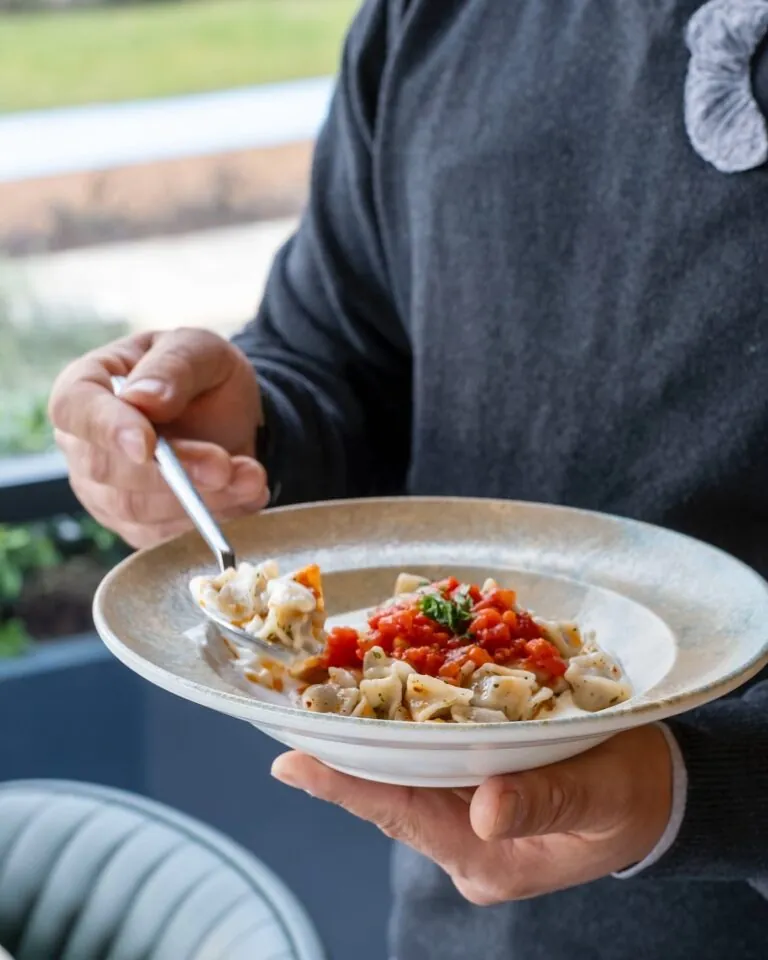
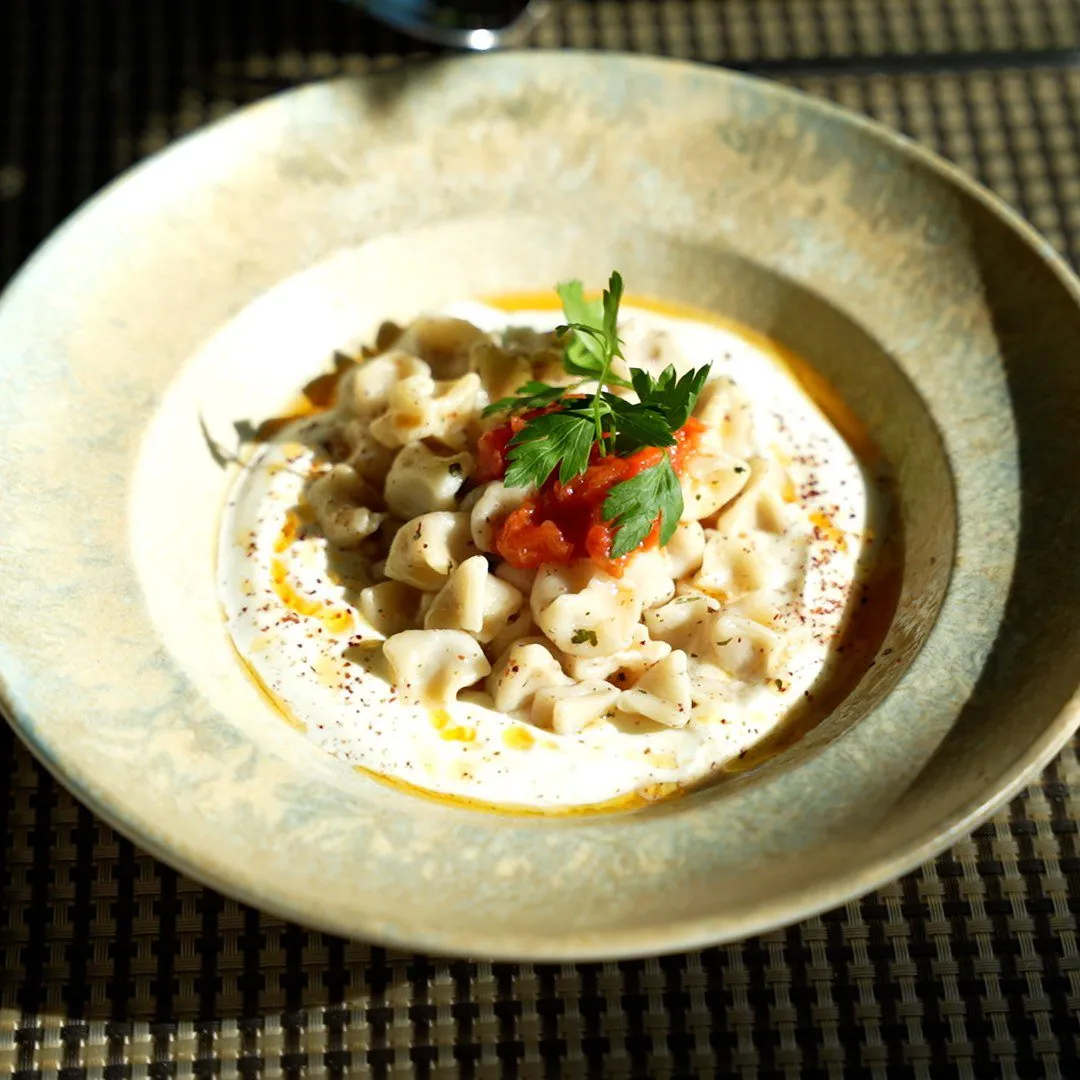
Kayseri Mantı (Meat Dumplings)

Kayseri mantısı is regarded as one of the most distinctive dough-based recipes in Turkish cuisine. The minced-meat filling, placed within thinly rolled dough, is prepared using a folding technique that demands considerable skill. The garlic yoghurt and buttery sauce served atop it are among the most essential elements that complete its flavour.
According to chefs’ assessments, a well-made Kayseri mantısı should balance dough thickness and filling proportion. The hot butter and finishing touches of spice used in its presentation enhance the mantı’s aromatic profile.
Today, Kayseri mantısı is not merely a traditional dish but is also recognised as one of the key representatives of Anatolian culinary culture.
Pöçlü Pide: A Rich Flavour from a Stone Oven
Oxtail Pide

Pöç, which is prepared by slow-cooking for many hours, stands among the most patient-demanding recipes in Anatolian cuisine. When combined with pide dough baked in a stone oven, it produces a richly aromatic, robust flavour.
Pöçlü pide stands out as a special recipe particularly favoured by meat lovers. Thanks to the slow-cooking method, the meat fibres soften and achieve a balanced harmony with the dough.
According to expert chefs, the use of a stone oven creates a slightly crisp texture on the pide dough’s surface while ensuring the interior remains soft. This balance is regarded as one of the most important features distinguishing pide from traditional baked goods.
Hummus with Pastırma: A Bold Interpretation of a Traditional Meze
Hummus with Pastırma

Hummus has long occupied a prominent place on tables across the Middle East and Anatolia as one of the most substantial mezes. When combined with pastırma, it assumes a far more distinctive character.
In hummus with pastırma, the texture of the chickpeas, the proportion of tahini, and the balance achieved by serving it warm are all of considerable importance. The lightly crisp pastırma slices added on top markedly enhance the dish’s aromatic profile.
In gastronomic evaluations, hummus with pastırma is regarded as one of the most striking interpretations among starter plates. It is particularly favoured as a warm starter at communal family tables.
Yağlama: A Staple of Kayseri Tables
Yağlama

Kayseri yağlama, with its meticulously layered thin dough and distinctive minced-meat sauce, ranks among the most cherished dishes of Anatolian cuisine. As striking in its preparation as it is in appearance, this dish stands as a robust representative of traditional home cooking.
The balance of sauce in each layer and the delicacy of the dough directly determine the quality of the yağlama’s flavour. Served alongside yoghurt, it yields a harmonious and satisfying taste.
According to chefs, a well-prepared yağlama should deliver a rich flavour without feeling heavy. Consequently, the proportion of minced meat, the choice of spices, and the cooking process are of paramount importance.
Rediscovering Anatolian Tables in Başakşehir
For those seeking quality family time amid Istanbul’s frenetic pace, restaurants offering a warm atmosphere are growing increasingly important. Those wishing to experience regional Turkish dishes with meticulous presentation now pay attention not only to flavour but also to the tranquil ambiance of the setting.
In the modern and refined restaurants of Başakşehir, it is now possible to savour the robust recipes of Anatolian cuisine. At tables where traditional recipes are carefully preserved, a warm atmosphere prevails, whether for family gatherings or enjoyable evening meals.
Founded with roots stretching back to Malatya, Çakı Restoran brings Anatolian cuisine together with a contemporary approach to presentation, emerging as a notable destination for those wishing to experience the beloved flavours of Kayseri cuisine on Istanbul’s European side. At its tables, where traditional recipes are combined with careful presentation, the distinctive character of Turkish cuisine is keenly felt.
To make a reservation, please get in touch with us.