Slow-Cooked Meat Meets the Oven in Kayseri
When Kayseri cuisine is mentioned, mantı, pastırma (spiced, air-cured beef) and sucuk first come to mind. Yet the city’s culinary memory also holds other dishes, cooked over a gentler heat, demanding patience and allowing the meat’s intrinsic flavour to emerge.
Oxtail pide (pöçlü pide) is perhaps the most distinctive example of these.
On one side, oxtail that has been slow-cooked until it is tender enough to separate from the bone; on the other, thin pide dough baked in a high-heat oven…
The meeting of these two distinct cooking techniques in a single dish sets this pide apart from traditional minced-meat or diced-meat varieties.
So what is oxtail pide (pöçlü pide), and where does it originate? And why does oxtail hold such a special place in Kayseri cuisine?
What Is Oxtail?
In the Kayseri Cuisine Dictionary published by the Kayseri Metropolitan Municipality, pöç is defined as the base of the tail. In everyday culinary usage, it refers to the bony, meaty portion of the cow’s tail region.
The texture of the meat from this area differs considerably from cuts suited to quick cooking, such as fillet or sirloin.
It contains a substantial amount of connective tissue.
It is cooked together with the bone.
And it reveals its true character not in a short time, but only after prolonged cooking.
For this reason, oxtail is among the cuts of meat that demand patience in the kitchen.
In Kayseri Cuisine How to Cook Oxtail?
The method in the traditional Kayseri oxtail recipe featured on the Culture Portal of the Ministry of Culture and Tourism is quite straightforward.
The oxtail is placed in a pot with water, salt and black pepper. Once it begins to simmer, the heat is reduced and the dish is cooked over very low heat for at least 3–4 hours.
Although the ingredients list is short, the real issue is time.
There's no need for dozens of spices to create the flavour here. During the long cooking process, the meat gradually softens, the tissues around the bone dissolve, and a rich meaty aroma emerges.
Why Is Oxtail Cooked for So Long?
Some meats can reach the desired consistency within a few minutes over high heat.
Oxtail is the complete opposite of this.
Due to the muscle and connective tissue in the tail section, it requires long cooking at a low temperature. Over time, the tough textures soften, and the meat becomes easier to separate from the bone.
Therefore, when cooking oxtail dishes, patience is more important than quick cooking.
The techniques used in the kitchen may vary. A pot, a casserole dish, or different slow-cooking methods may be preferred. However, the common idea remains the same:
The meat must not be rushed.
From Oxtail to Pide: The Journey

Oxtail is a well-known meat dish in Kayseri cuisine on its own.
Pide, on the other hand, is one of the oldest and most widespread examples of Anatolia’s oven-baked culinary tradition.
What makes pöçlü pide interesting is the coming together of these two traditions on a single plate.
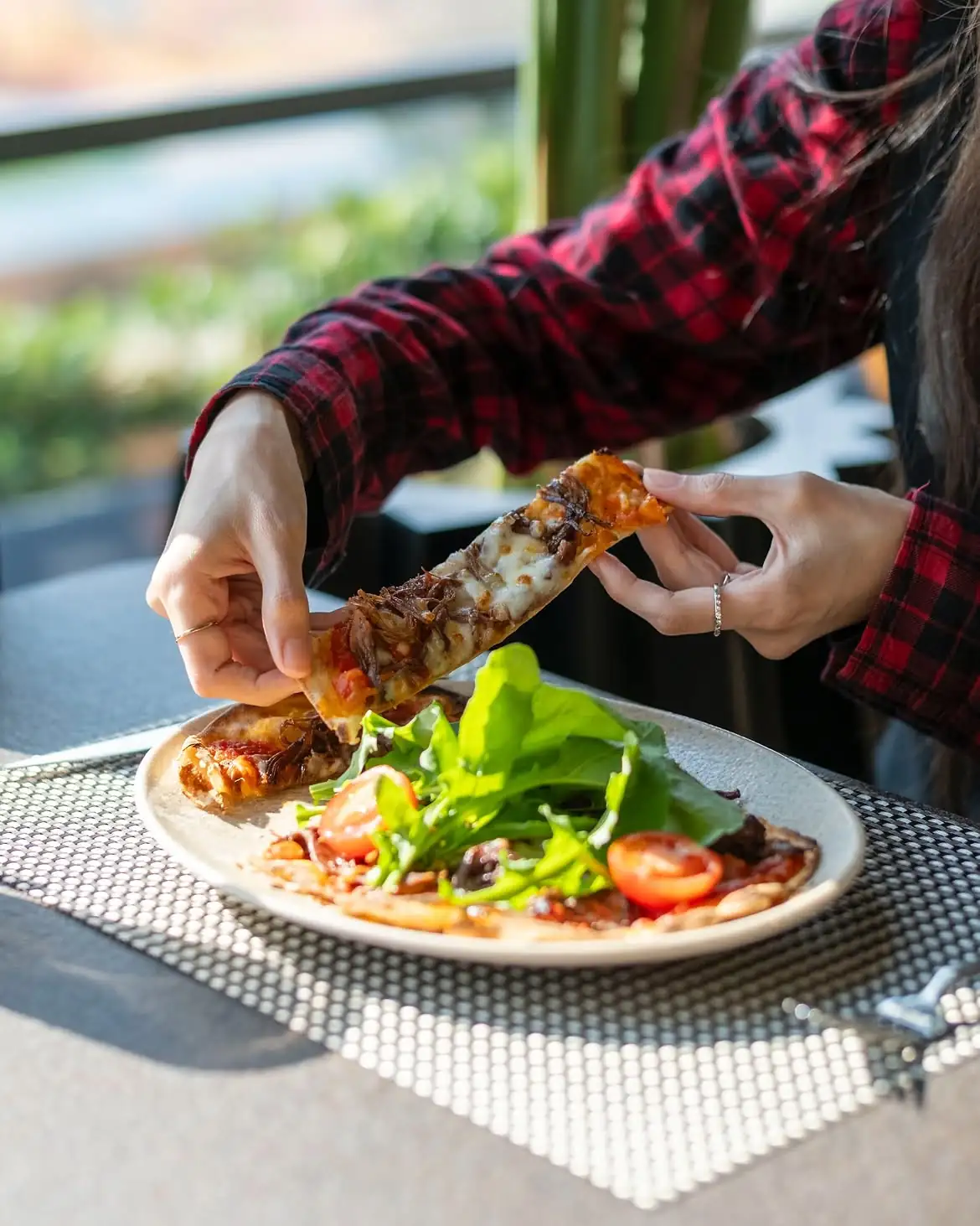
The oxtail, which has been cooked for a long time, is first separated from the bone. It is then placed atop thin pide dough and subjected to a second baking process in a high-temperature oven.
Thus, the same ingredient encounters two distinct fire characteristics.
First, low heat over a long period.
Then, high heat and a brief stint in the oven.
Why Do Long Cooking and Baking Complement One Another?
These two techniques appear, at first glance, to be complete opposites.
Oxtail requires slow cooking.
Pide dough, by contrast, thrives on high temperatures.
The purpose of the hours spent preparing the meat is to soften its firm texture and develop a rich flavour. In the oven stage, the aim is to bake the dough quickly, create a crisp edge, and bring the meat and dough together at the same temperature.
In a well-prepared oxtail pide, the meat must not dry out and become tough and fibrous, nor must the dough soften under the weight of the meat and lose its character.
Mastery lies partly in achieving this balance.
The Place of Oven Culture in Anatolia

In Anatolian cuisine, the oven is not merely a space for baking bread.
Pide, lahmacun, various meat dishes and regional pastries are different outcomes of the same oven tradition.
In Kayseri cuisine, the tradition of dough-based dishes is also exceptionally strong. The culinary publications of the Kayseri Metropolitan Municipality feature a variety of baked goods, including minced meat pide, cheese pide, pastırma pide (spiced, air-cured beef), and tahini pide.
The fact that the Kayseri Centre for Culinary Arts today also has a separate oven section within its kitchen layout, where bread and pide are prepared, demonstrates that this tradition is being preserved in modern gastronomic studies.
Why Is Pide a Suitable Vessel for Meat?
The thin pide dough offers a structure that can support the toppings without overpowering them.
While in minced meat or diced meat pide, the ingredients are cooked directly together with the dough, the process is slightly different when using oxtail that has been pre-cooked for an extended period.
Here, the meat has already been fully cooked.
The oven integrates the meat with the dough rather than cooking it from scratch, and gives it that final touch of heat.
Therefore, it would be somewhat reductive to regard oxtail pide (pöçlü pide) merely as “meat pide”.
In fact, it is a combination of two different cooking techniques.
Why is oxtail important in Kayseri?
In Kayseri's gastronomic studies, oxtail is still considered one of the city's characteristic dishes today.
In Kayseri Metropolitan Municipality’s current gastronomy publication, oxtail is presented as one of the constituent elements of the city’s gastronomic identity, alongside other Kayseri flavours ranging from mantı to fırın ağzı and Develi cıvıklısı. The same publication also notes that Pöç Kebabı was among the products for which a geographical indication application was submitted in 2025.
This demonstrates that oxtail is not merely a modern product that has emerged in restaurants.
Oxtail is already part of Kayseri’s culinary culture.
Oxtail pide, by contrast, represents a distinct interpretation that brings this robust meat tradition together with Anatolia’s baking culture.
Oxtail Pide How Does It Differ from Classic Meat Pide?
At first glance, the difference may appear to lie solely in the meat used.
The real distinction lies in the preparation time.
When preparing classic minced-meat pide, the raw minced-meat filling may be placed on the dough and then put directly into the oven.
In oxtail pide, however, the meat enters the kitchen much earlier.
It is cooked for several hours.
It is separated from the bones.
Once it has reached the correct consistency, it is served with pide.
Therefore, there is already an extensive preparation process behind the ingredients that go into the oven.
What Accounts for the Difference in Flavour?
The character of oxtail is more intense and meaty.
The prolonged cooking of the meat around the bone imparts a texture distinct from that of traditional diced meat.
When combined with the thin dough, the dish’s focus shifts from the dough to the meat.
A well-made oxtail pide (pöçlü pide) is therefore remembered not only for its heartiness but also for its robust meaty flavour.
How is Oxtail Pide Prepared at Çakı Restoran?

At this point, Çakı Restoran’s own description of its dish provides an important detail.
The restaurant states that in its oxtail pide (pöçlü pide), it uses the oxtail meat from the cow’s tailbone and cooks the meat in a casserole for 8 hours. After the cooked meat is separated from the bones, it is placed atop the thin pide dough and baked once more in a stone oven.
This method of preparation, in fact, conveys the entire logic of the dish in a single sentence:
First patience, then fire.
Following eight hours of casserole cooking, the high heat of the stone oven takes over.
Thus, the long tradition of slow-cooked oxtail and Anatolia’s baking culture come together on the same plate.
How Much Does Oxtail Pide Cost on Çakı Restoran’s Menu?
On Çakı Restoran’s current Kayseri and Oven menus, oxtail pide (pöçlü pide) is listed at 520 TL.
The Kayseri section of the menu also features options that showcase the city’s diverse culinary character, such as Kayseri Mantısı, Yağlama, and hummus with pastırma.
It is worth noting that the menu and prices may change over time. The most prudent approach is to check the restaurant’s current menu before visiting.
A Bakery Story Stretching from Kayseri to Başakşehir
For those looking to explore regional cuisine in Istanbul, expectations are no longer limited to general dishes such as mantı, kebab, or pide.
People also want to experience the recipe of a specific city, its cooking technique, and the story behind that dish.
This is also one of the reasons why searches for Başakşehir Anatolian cuisine and Başakşehir regional dishes have become valuable.
Oxtail pide (pöçlü pide) is a dish with a very distinctive character in this respect, as it can simultaneously convey Kayseri’s meat culture and Anatolia’s baking tradition.
Experiencing Anatolian Cuisine in All Its Diversity in Başakşehir

Anatolian cuisine is not limited to kebabs cooked on a skewer or home-style meals prepared in a pot.
Sometimes a dish simmers in a casserole for eight hours, then goes into a stone oven.
Sometimes, the paper-thin rolled-out dough layers are stacked one by one with a minced meat filling.
Sometimes a cherry leaf is wrapped around bulgur.
This technical diversity is one of the elements that gives Anatolian cuisine its strength.
Çakı Restoran’s approach—“From breakfast to kebab in Başakşehir, the leading destination for Anatolian cuisine”—finds its place within this broad culinary framework. The presence of diverse techniques on a single menu, from Kayseri Yağlaması to oxtail pide (pöçlü pide), and from Malatya’s regional dishes to stone-oven products, allows Anatolian cuisine to be experienced not merely through a few familiar dishes but through its regional characteristics.
For those wishing to gather around an extended table with their family on Istanbul’s European Side, to introduce guests from outside the city to distinctive regional flavours, or to experience an unconventional meat-and-pide encounter among Başakşehir’s regional dishes, Oxtail Pide may offer a different gateway to Kayseri cuisine.
For what makes a pide special is not always solely the meat placed upon it.
The eight hours that meat undergoes before reaching the table are also part of its flavour.
Frequently Asked Questions
What is oxtail pide?
Oxtail pide (pöçlü pide) is a savoury pide prepared by combining beef oxtail, softened through prolonged cooking, with pide dough. In Çakı Restoran’s recipe, the oxtail is cooked in a casserole for 8 hours and separated from its bones before being placed on thin dough and transferred to a stone oven.
What is pöç?
In the Kayseri Metropolitan Municipality’s dictionary of Kayseri cuisine, pöç is defined as the “tailbone”. In the kitchen, the term refers to the bony, meaty portion of the cattle’s tail region.
From which region does pöç originate?
Pöç is particularly and strongly associated with Kayseri cuisine. In the Ministry of Culture and Tourism’s records of traditional Kayseri cuisine, “Pöç” is listed as a distinct dish.
Why is oxtail cooked for so long?
Because pöç has a firm connective tissue structure, slow cooking at a low temperature helps to tenderise the meat. The Culture Portal’s Kayseri recipe specifies that pöç should be cooked over very low heat for at least 3–4 hours.
How is oxtail pide (pöçlü pide) prepared at Çakı Restoran?
Çakı Restoran states that the oxtail is slow-cooked in a casserole dish for 8 hours, after which the meat is separated from the bones, placed atop thin pide dough, and baked in a stone oven.
How much does the oxtail pide cost at Çakı Restoran?
Oxtail pide (pöçlü pide) is listed on Çakı Restoran’s current Kayseri and oven menus. Menus and prices may change over time.