The Story of Geleli Kebab: A Flavour Spanning from the Malatya Table to Istanbul
When Malatya is mentioned, apricots often come to mind first; however, the city’s culinary culture boasts a far richer heritage. From bulgur dishes and cherry leaf rolls to stuffed bulgur dumplings and meat courses, certain recipes on this table transform, with just a few staple ingredients, into surprisingly distinctive flavours. Geleli Kebab is one such dish.
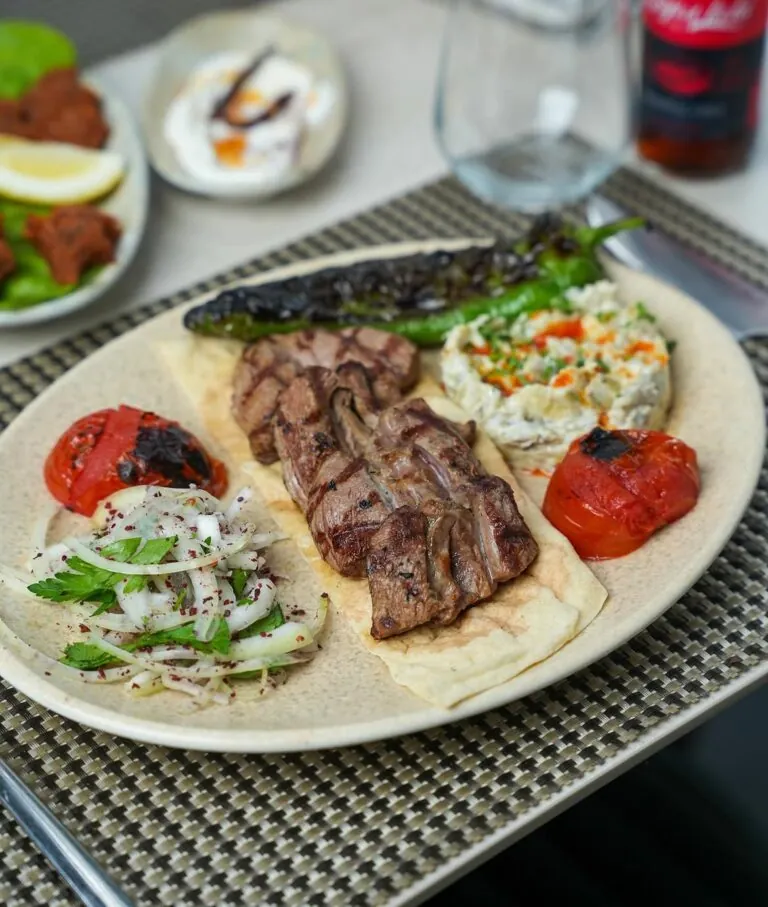
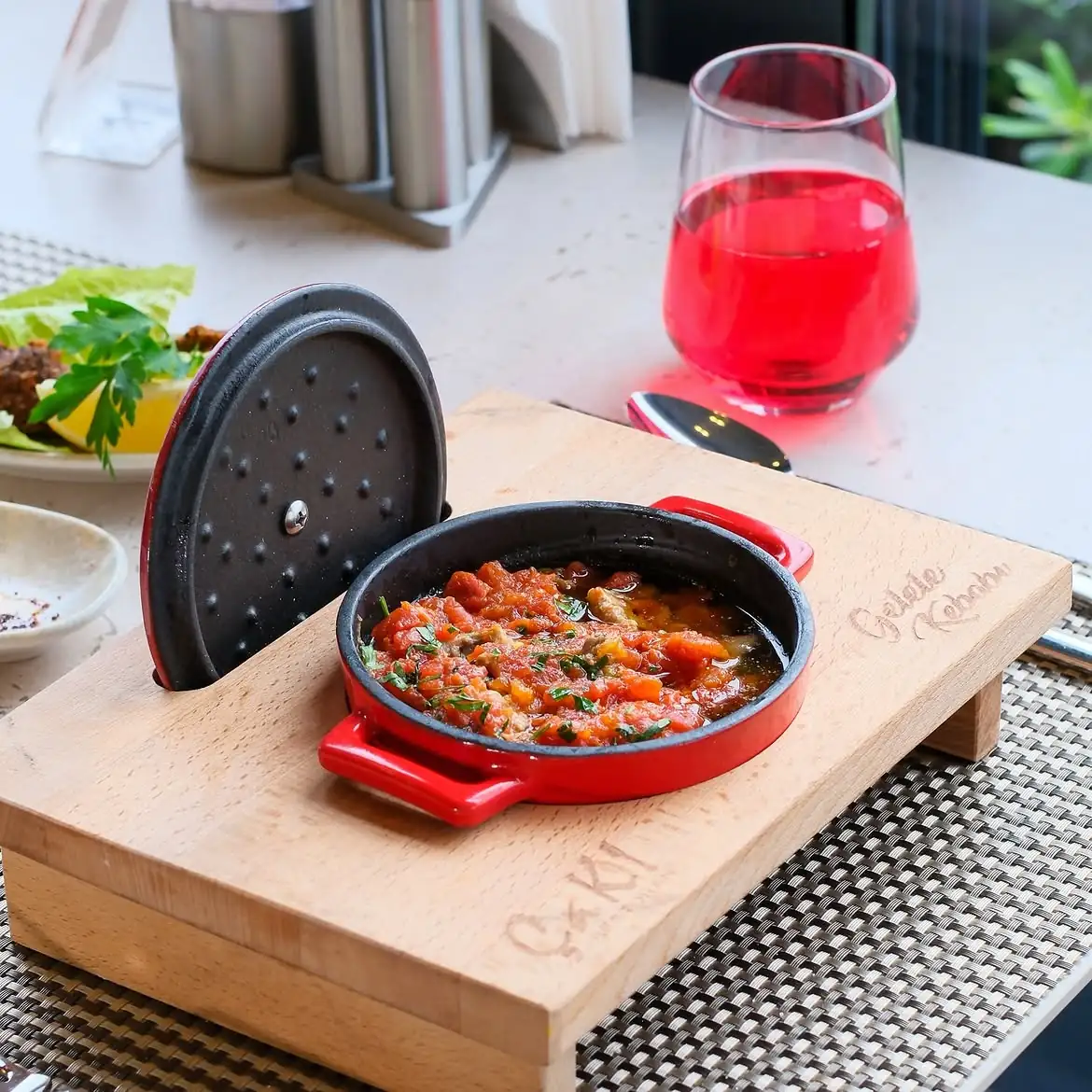
Combining grilled aubergine, meat, tomato, pepper and butter, Geleli Kebab appears rather simple at first glance. Yet its character is defined less by the number of ingredients than by the proper use of fire and the ability to bring each component together on the same plate without compromising its individual flavour.
So what is Geleli Kebab, where does it originate from, and what sets it apart from other kebabs?
Geleli Kebab: A Dish of Which Region?

Geleli Kebabı is one of Malatya’s traditional meat dishes. It is also listed under the meat dishes category within Malatya’s traditional cuisine on the Ministry of Culture and Tourism’s Cultural Portal.
The dish is based on grilled aubergine. The meat, prepared in small pieces, is cooked with peppers and tomatoes before being combined with the grilled aubergine. One of the final touches of the traditional recipe is the melted salted butter drizzled over the hot dish.
In this form, Geleli differs from the notion of meat cooked on a skewer that comes to mind when we hear the word kebab. It is more an Anatolian dish shaped around embers, a pan, and hot serving.
What Makes Geleli Kebabı Special?
The Union of Aubergine and Meat
In Anatolian cuisine, the pairing of meat and aubergine has a long history. This combination frequently appears in aubergine kebabs, söğürme, hünkarbeğendi, and various regional meat dishes.
In Geleli Kebabı, however, aubergine is not merely a vegetable served alongside the meat; it forms the foundation of the dish’s flavour.
The lightly smoky aroma of aubergine roasted over an open fire blends with the richness of the meat. Tomatoes contribute moisture and a touch of acidity, while peppers enhance the charred character. Butter then provides the final touch, binding all these flavours together.
In a well-prepared Geleli, no single ingredient should overpower the others.
Why Is Charring So Important in Anatolian Cuisine?
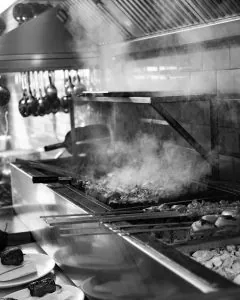
Grilling over an open flame is one of the oldest cooking traditions in Anatolian cuisine.
When vegetables such as aubergine, pepper and tomato are exposed directly to the flame, they are not merely cooked. The process concentrates their moisture, develops smoky aromas in their skins and yields a softer texture within.
This is one of the defining features of Geleli Kebab.
There is a distinct difference in flavour between softening aubergine in an oven and charring it over an open flame. It is no coincidence that traditional recipes specifically call for the aubergine to be cooked over fire.
Where Does Mastery of Geleli Kebab Begin?
With so few ingredients, Geleli is a dish in which imperfections are difficult to conceal.
Cooking the Meat
The meat must retain its juices and remain tender. In the traditional preparation, it is cut into small pieces, cooked first in its own juices, then carefully browned.
The aim is to develop flavour on the outside while preserving the meat’s texture within, without drying it out.
Roasting the Aubergine over Embers
The interior of the aubergine should be tender, yet it must not become entirely waterlogged or lose its character. The aroma of charring should be perceptible, but a burnt taste must not overpower the dish.
The Balance of Tomato and Pepper
It is essential that the tomato, pepper, and aubergine do not overshadow the meat. In a well-prepared Geleli, the vegetables and meat do not register as separate flavours but rather as integral components of the same dish.
For this reason, Geleli Kebabı is one of those regional recipes that may appear simple yet demands a delicate balance in the kitchen.
Malatya Kebabs — Geleli’s Place Among Them

Malatya’s meat culture is not confined to Geleli alone. The city’s traditional cuisine also features notable dishes based on distinct cooking techniques, such as tandır kebabı and kağıt kebabı.
This diversity, in fact, offers a fine illustration of Malatya’s approach to meat.
One dish highlights embers, another tandır fire, and yet another employs prolonged oven roasting. What they share is a commitment to preparing meat in a way that preserves its inherent character as much as possible.
What sets Geleli Kebabı apart within this culinary tradition is its powerful juxtaposition of meat and embers-roasted vegetables on the same plate.
Why Is a Malatya Dish Attracting Attention in Istanbul?
In Istanbul, the growing interest in regional cuisine can no longer be explained solely by homesickness.
People now wish to discover dishes from different cities of Anatolia, along with their stories and distinctive preparation methods. Consequently, searches such as Başakşehir Anatolian cuisine, Başakşehir regional dishes, and Başakşehir kebabs increasingly highlight not only classic kebab varieties but also characterful dishes tied to specific regions.
Geleli kebab stands out precisely at this point. It is not a standard main course found in every restaurant across Istanbul, but rather a regional recipe bearing the distinct identity of Malatya cuisine.
Where to Enjoy Geleli Kebab in Başakşehir?
One of Istanbul’s establishments offering this delicacy from Malatya’s culinary tradition is Çakı Restoran.
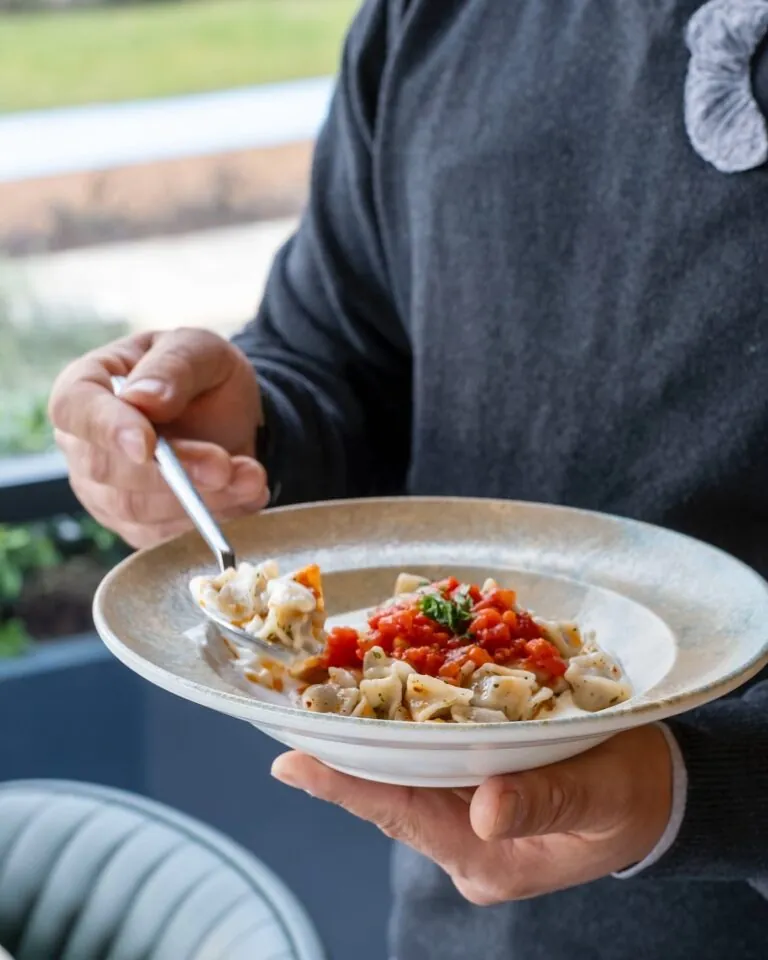
On Çakı Restoran’s Malatya menu, Geleli Kebab appears as “The Chef’s Choice.” The menu also features other examples of Malatya cuisine alongside Geleli, including Mahir Köfte, Stuffed Bulgur Dumplings in Broth, Cherry Leaf Rolls, and Malatya-Style Cheesy Bread, offering the opportunity to experience a broader Malatya table rather than a single regional dish.
The current menu price for Geleli Kebab is 950 TL. As menus and prices may change over time, it is advisable to check the current menu before visiting.
Transforming a Regional Dish into a Dining Experience
The value of regional dishes such as Geleli should not be sought solely in their recipes. The true story of these dishes lives on in family tables and the tradition of hosting guests.
Consequently, in a restaurant representing Anatolian cuisine, the warmth of service, the communal nature of the table, the balance of the menu from starters to the main course, and the ambience all form part of the experience.
For those seeking, in particular, a Başakşehir family restaurant, a Başakşehir restaurant suitable for hosting guests, or a venue for a Başakşehir group meal, an extensive menu featuring regional dishes offers one of the finest ways to bring together diverse palates at a single table.
Çakı Restoran’s approach aligns precisely with this narrative, stretching from Malatya to Istanbul. The menu, conceived under the principle of being Başakşehir’s foremost destination for Anatolian cuisine, from breakfast to kebab, includes Geleli Kebab as one of the chef’s selections—a particularly clear testament to the restaurant’s connection with Malatya’s culinary tradition.
For those seeking to discover the regional flavours of Anatolia on Istanbul’s European Side, or to welcome family and guests from out of town at a warm and thoughtfully prepared table, Geleli Kebab may offer an excellent starting point for venturing beyond the conventional kebab and becoming acquainted with the cuisine of Malatya.
Frequently Asked Questions
What is Geleli Kebab?
Geleli Kebab is a traditional Malatya dish prepared by combining finely diced meat with grilled aubergine, tomato, and pepper. In the traditional recipe, melted salted butter is also drizzled over the dish before serving.
From which region does Geleli Kebab originate?
Geleli Kebab belongs to Malatya’s cuisine and is registered among Malatya’s traditional meat dishes on the Ministry of Culture and Tourism’s Cultural Portal.
Is the aubergine in Geleli Kebab grilled over embers?
Yes. In the traditional recipe, grilling the aubergines over an open flame constitutes one of the dish’s fundamental stages. This process contributes to the development of Geleli’s distinctive smoky flavour.
Is Geleli kebab the same dish as aubergine kebab?
No. Although both dishes may feature meat and aubergine, their preparation and presentation techniques differ. In Geleli, grilled aubergine, finely diced meat, tomato and pepper are combined within the same dish.
Is Geleli Kebab available at Çakı Restoran?
Yes. Geleli Kebab appears on Çakı Restoran’s Malatya and main-course menus and is marked as “Chef’s Choice.”