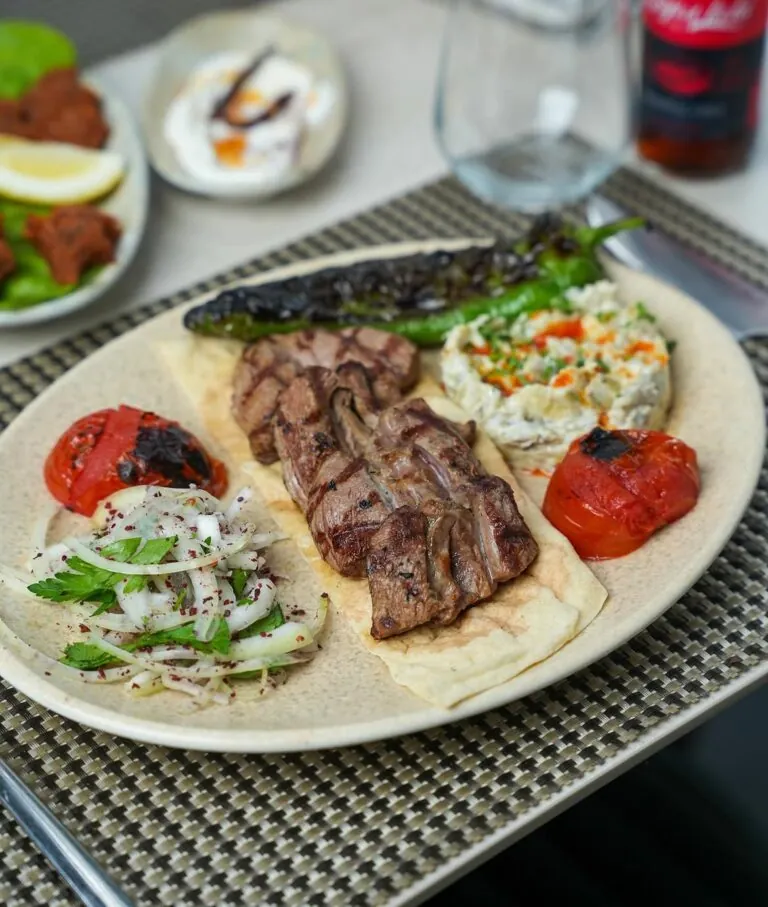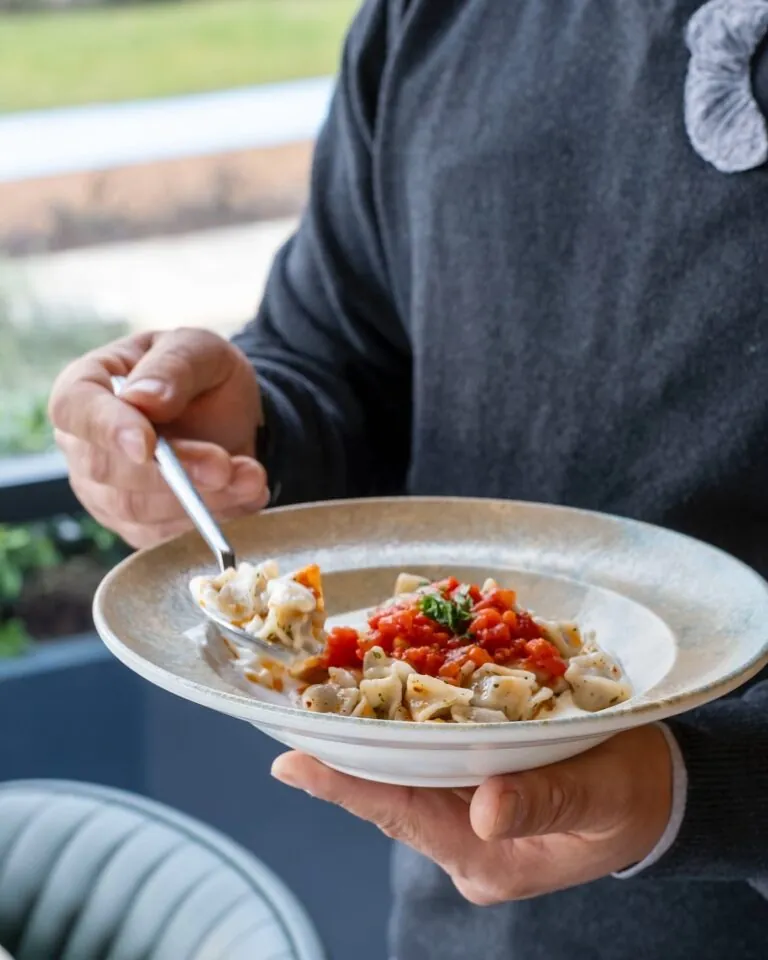

In Turkish cuisine, meze is not merely a prelude to the meal. It is also among the most powerful accompaniments to sharing, long tables, and convivial conversation. Prepared with recipes from across Anatolia, meze combines olive oil, tahini, yogurt, roasted vegetables, and natural spices to lend character to the table.
For those seeking to experience regional flavours in a quality family restaurant, particularly on Istanbul’s European Side, traditional meze stands among the most distinctive complements to a warm table. Crafted from the time-honoured recipes of Turkish cuisine, meze offers both a light starter option and an unforgettable taste on the palate before the main course.
Muammara: Anatolia’s Interpretation of Walnuts and Peppers

A Balance of Flavour: Walnuts and Spices
Muammara, which has travelled from Antep’s cuisine to the table, is a robustly flavoured meze prepared with roasted peppers, walnuts, and special spices. Its subtly piquant profile ensures an excellent harmony with meat dishes.
Thanks to its walnut content, muammara is rich in natural oils and minerals; it is also chosen as an appetising starter at long tables. As one of the most characteristic mezes of traditional Turkish cuisine, it frequently graces gourmet tables.
Humus: The Flawless Harmony of Tahini and Chickpeas

A Powerfully Sustaining Starter, Rich in Protein and Fibre
Humus, one of the most beloved mezes of Middle Eastern and Anatolian cuisine, is prepared by combining boiled chickpeas and tahini. Its soft texture, olive-oil aroma and balanced use of spices secure it a timeless place at the table.
The high fibre content of chickpeas supports the digestive system, while tahini stands out as a natural source of energy. Its light yet satisfying nature makes it a frequently chosen traditional meze, particularly at family tables.
Humus with Pastırma: A Bold Touch to a Classic

Modern Presentation in Anatolian Cuisine
The thin slices of pastırma atop the classic humus lend this meze a more intense and aromatic character. The spiced nature of the pastırma achieves a balanced harmony with the smooth textures of tahini and chickpeas.
The aroma that emerges, particularly when served warm, enriches the traditional meze culture of Turkish cuisine. In the chef’s commentary, humus with pastırma is regarded as one of the most notable warm meze interpretations of recent years.
Çiğ Köfte: The Flavour of Spices and Delicate Craftsmanship

Indispensable Elements of Traditional Recipes
One of the most distinctive regional delicacies of Turkish cuisine, çiğ köfte is prepared with fine bulgur, isot pepper and special spices. Its balanced heat and rich aroma bring vibrancy to the table.
Thanks to its bulgur content, it helps to keep one satiated for an extended period. Served with lemon and greens, it offers a refreshing starter option. Its traditional presentation reflects the spirit of the Anatolian table.
Atom: The Powerful Harmony of Yogurt and Pepper

The Refreshing Effect of Yogurt
Atom meze is a richly flavoured dish prepared with strained yoghurt and a special chilli sauce. Particularly favoured alongside kebabs and meat dishes, this meze is one of the complementary flavours that brings balance to the table.
Yoghurt-based mezes are known for their digestive benefits. Owing to their refreshing effect when paired with intensely spiced dishes, they hold a prominent place in Turkish cuisine.
Mixed Meze Platter: A Summary of Anatolian Tables

Several Traditional Flavours on One Plate
The mixed meze platter is among the presentations that best reflect the sharing culture of Turkish cuisine. Bringing together hummus, muammara, grilled aubergine and various regional mezes, this platter is indispensable, particularly at tables for many.
Assorted meze platters, which allow a simultaneous experience of diverse flavours, enrich the table during extended family meals. Owing to their ability to bring together traditional Anatolian tastes within a single presentation, they hold a special place in gourmet restaurants.
Keşkek: One of Anatolia’s Most Deeply Rooted Flavour Traditions

A Symbol of Traditional Cooking Culture
Keşkek, one of the most distinctive recipes of Anatolian cuisine to have been passed down from the past to the present, is a traditional dish prepared through prolonged cooking. Its rich texture, resulting from the harmony of wheat and meat, offers a satisfying option.
Thanks to its lengthy cooking process, the flavours of the ingredients fully infuse one another. For those particularly keen to experience regional culinary culture, keşkek occupies a truly special place at the table.
Char-Grilled Aubergine: The Distinctive Aroma of an Open Flame

A Light and Balanced Meze Option
Char-grilled aubergine is prepared by cooking aubergines over an open flame and seasoning them with special spices and olive oil. Its smoky aroma makes it one of the most cherished mezes in Turkish cuisine.
The aubergine’s light texture is regarded as a vegetable that aids digestion. When enjoyed alongside meat dishes, in particular, it delivers a balanced dining experience. In Anatolian cuisine, the tradition of grilling over an open flame is among the most important factors shaping the character of this dish.
Experiencing Traditional Turkish Cuisine in Başakşehir
For those seeking quality family time on the European side of Istanbul, traditional Turkish cuisine remains a consistently compelling choice. Particularly in the Başakşehir district, restaurants that combine a warm atmosphere, meticulous presentation, and regional flavours are favoured for large family gatherings, special occasions, and enjoyable evening meals.
When mezes inspired by cities across Anatolia are paired with attentive service and adherence to traditional recipes, the true spirit of Turkish cuisine is brought to the table. As much as the flavours themselves, the tranquil and refined ambiance is among the decisive factors in families’ choice of restaurant.
For reservations and further information, please get in touch with us.