When Turkey’s culinary heritage is mentioned, kebab is undoubtedly among the first flavours that come to mind. Yet kebab culture extends far beyond merely cooking meat. The selection of the right cut, skillfully prepared mince, control of the fire, the skewer employed, cooking time, the accompaniments served alongside, and the ethos of sharing at the table all constitute inseparable elements of this culture.
Having developed over centuries across Anatolia’s diverse regions, Anatolian kebab culture is now regarded not only in Turkey but in many countries worldwide as one of the most significant gastronomic values representing Turkish cuisine.
Why Is Kebab Culture One of Anatolia’s Strongest Culinary Traditions?

Throughout history, Anatolia has been a meeting point for different civilisations. This cultural diversity has been reflected in its cuisine. While meat-cooking techniques vary from region to region, the consistent priorities have always been high-quality ingredients and expert craftsmanship.
As evidenced by the traditional culinary approach protected under UNESCO’s Intangible Cultural Heritage, food is not merely nourishment; it is also an essential part of sharing, hospitality, and cultural transmission.
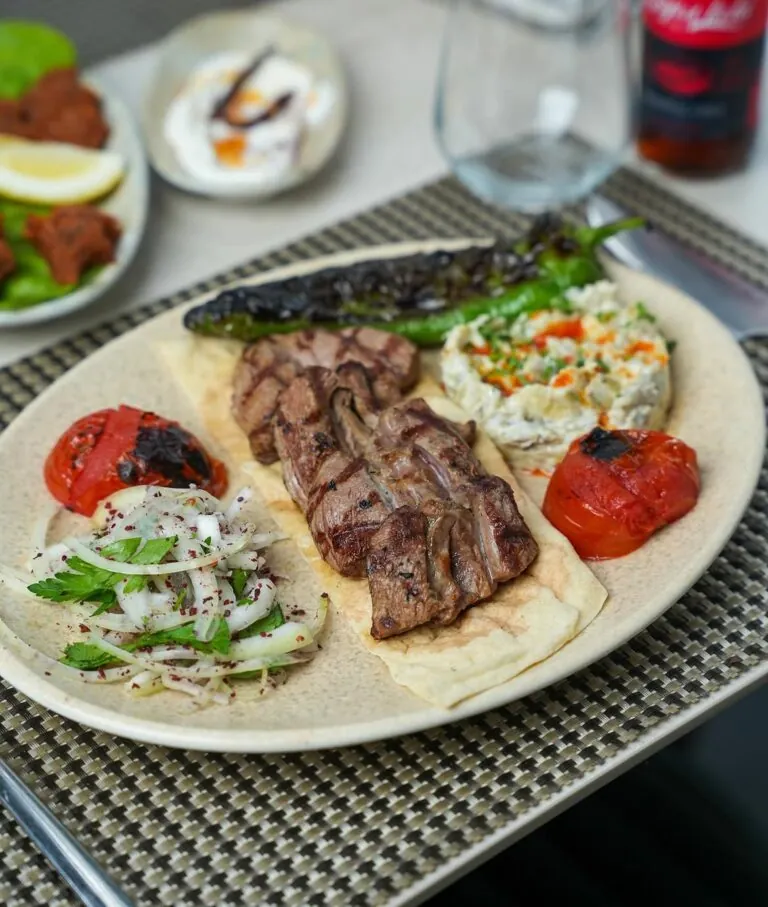
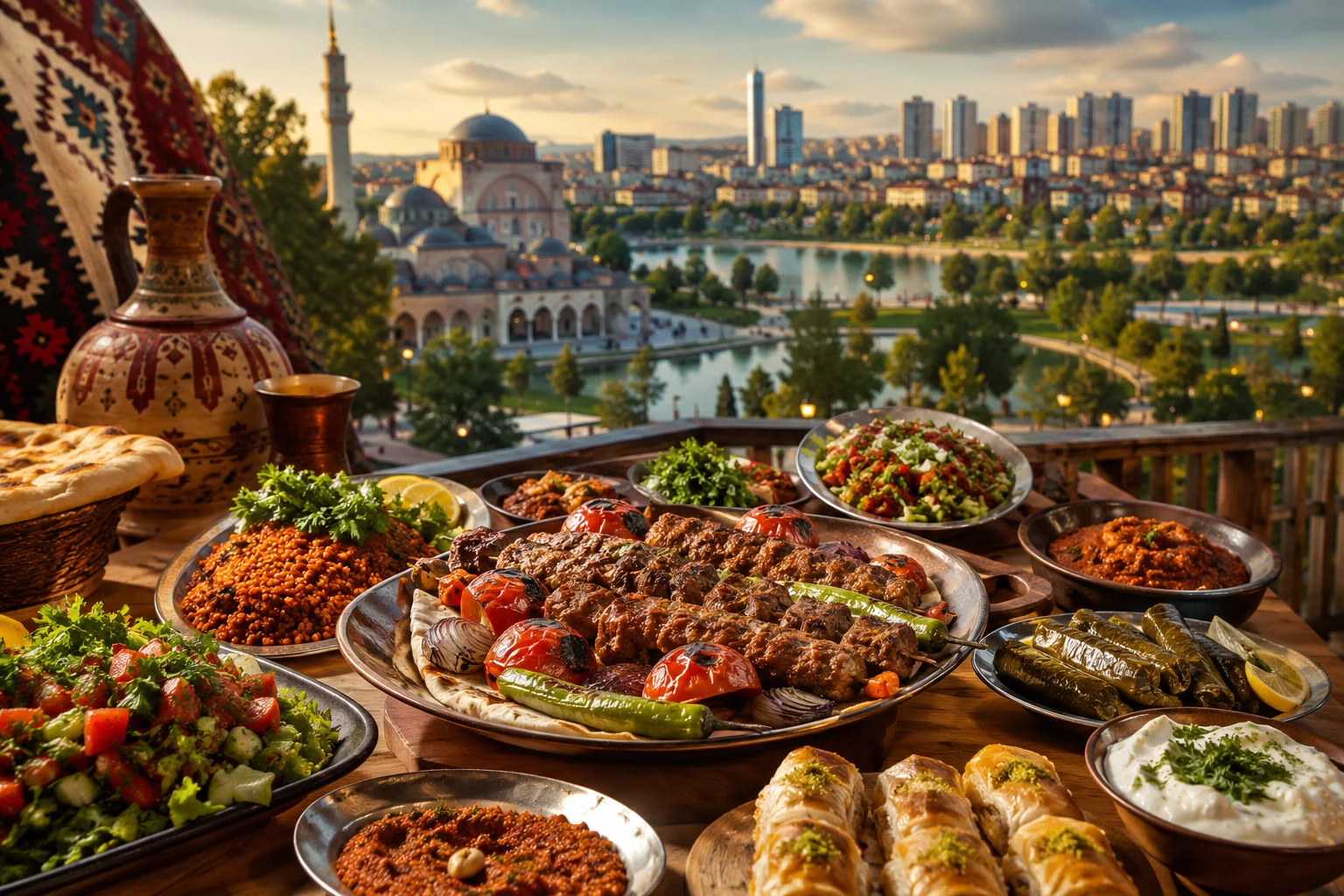
Consequently, a kebab table comprises more than the main course alone. Lavash, grilled vegetables, seasonal salads, regional mezes, and the tradition of hospitality are integral components of the spread.
What Is the Defining Factor That Distinguishes One Kebab from Another?
The Correct Selection of Meat
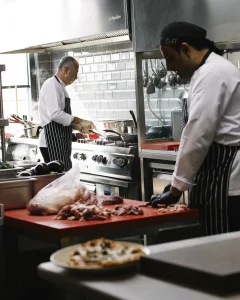
The foundation of a fine kebab lies in high-quality meat. Experienced chefs note that allowing the meat to rest and preserving its optimal fat content directly influence its flavour.
When preparing kebab;
- The preservation of the meat’s natural texture
- A balanced fat content
- Daily preparation
- The correct resting process
are regarded as among the most important criteria.
The Control of the Flame
One of the common views frequently expressed by kebab masters is that the flame constitutes the dish’s secret ingredient.
Glowing wood charcoal seals the exterior of the meat while preserving its juiciness within. Excessively high heat may dry the meat, whereas insufficient temperature can prevent the desired aromas from developing.
Consequently, in true kebab craftsmanship, controlling the flame is as vital as cooking the meat itself.
How Do Kebabs in Anatolia Vary by Region?
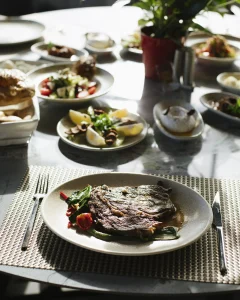
The Robust Kebab Tradition of South-Eastern Anatolia
When South-Eastern Anatolia is mentioned, Gaziantep is among the first cities that come to mind. In the region, kebab is not merely a main course but an integral part of daily life.
Adana and Urfa kebabs are distinguished from one another by their meat minced using a zırh, their balance of spices, and their cooking techniques.
Eggplant kebab, simit kebab, and various skewered kebabs also feature among the region’s most notable flavours.
The Meatcraft of Eastern Anatolia
In Eastern Anatolia, climatic conditions and the culture of livestock farming place a particular emphasis on meat quality.
Traditional recipes prepared with lamb, the restrained use of spices, and natural cooking methods are regarded as characteristic features of the regional cuisine.
The Simple and Balanced Interpretation of Central Anatolia
In Central Anatolian cuisine, meanwhile, meat takes centre stage, while the accompanying lavash, tandoor bread, grilled peppers, tomatoes and ayran serve to complete the table.
The aim here is not to highlight the spices, but to preserve the meat’s natural flavours.
Why Are Lavash and Mezes So Important at a Kebab Table?
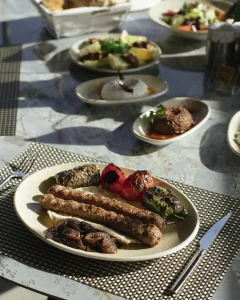
A true kebab table consists of more than the main course alone.
According to studies of food culture, shared tables are among the most distinctive features of Turkish cuisine.
This is why kebab is usually served with:
- Fresh Lavash
- Ezme
- Seasonal salad
- Grilled tomatoes
- Grilled peppers
- Onion salad
- Meze accompanied by yogurt
Together, these accompaniments complete the meal.
This richness not only ensures a balance of flavours but also enables everyone at the table to create a dish suited to their own palate.
Mastery is the Kebab’s Most Essential Ingredient

According to chefs’ consensus, two different masters using the very same meat can produce entirely distinct results.
The preparation of the meat, its threading onto skewers, the heat of the charcoal, the cooking duration, and the resting phase all demand a mastery honed over years of experience.
Consequently, authentic kebab culture endures not merely through recipes, but through knowledge passed from master to apprentice.
Why Do Traditional Turkish Kebabs Continue to Attract Such Enthusiasm?
Despite shifting trends in modern cuisine, people remain unwilling to abandon traditional flavours.
Among the most significant reasons for this are;
- Use of natural ingredients
- Trustworthy recipes
- A culture of sharing
- Habit of dining as a family
- Interest in regional cuisine
is featured.
In recent years in particular, traditional Turkish kebabs have become among the most popular choices for both domestic and international guests seeking an authentic local gastronomic experience.
In Başakşehir, Experiencing Anatolian Kebab Culture
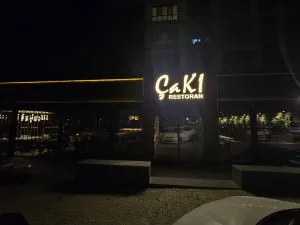
Residents of Istanbul now seek not merely a delicious meal but also an authentic table-culture experience.
Consequently, searches such as Başakşehir kebabs, Başakşehir Anatolian cuisine, Başakşehir family restaurant, Başakşehir restaurant for hosting guests, and Başakşehir group dining attract growing interest year after year.
Restaurants that bring together Anatolia’s traditional kebab traditions, regional starters, stone-oven flavours, and warm hospitality at a single table are meeting this expectation.
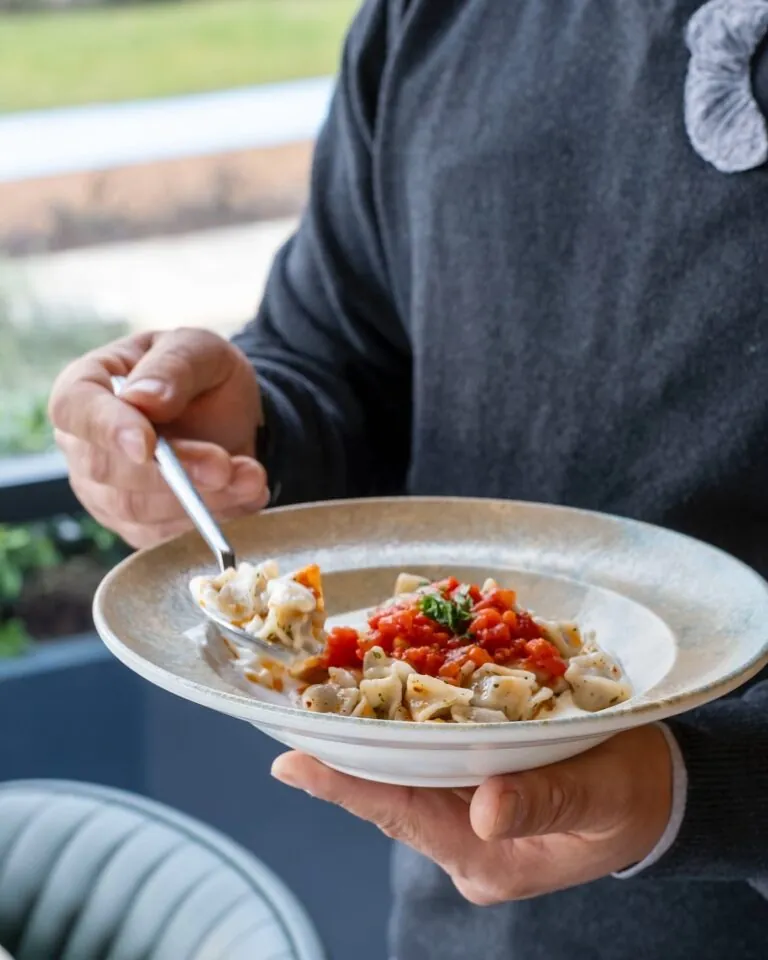
In Başakşehir, Çakı Restoran serves with the ethos of being the foremost destination for Anatolian cuisine, from breakfast to kebabs, and carries this approach not only in its menu but also in its presentation and culture of hospitality. Its extensive menu, ranging from shared breakfasts to various kebabs, stuffed bulgur dumplings and liver wraps, alongside its stylish ambience suited to families and its suitability for group events, makes it one of the standout choices for those wishing to experience Anatolian cuisine on Istanbul’s European side.
Frequently Asked Questions
Why is Anatolia’s kebab culture so rich?
Owing to its diverse landscapes, climatic conditions and regional cooking techniques, Anatolia has developed a great variety of kebabs. Each region has produced distinct flavours through its own ingredients and mastery.
What is the fundamental distinction between different types of kebab?
The type of meat used, fat content, balance of spices, technique employed for mincing or dicing, skewer construction, and cooking method are the key elements that distinguish one kebab variety from another.
Why are lavash and mezes served alongside kebab?
In Turkish cuisine, kebab tables embody a culture of sharing. Lavash, grilled vegetables, salads, and mezes are traditional accompaniments that complement the main course.
Is it possible to experience Anatolian cuisine in Başakşehir?
Indeed. In Başakşehir, restaurants focused on traditional Turkish cuisine and local flavours offer a combination of kebab varieties, Anatolian dishes, and extensive breakfast options.