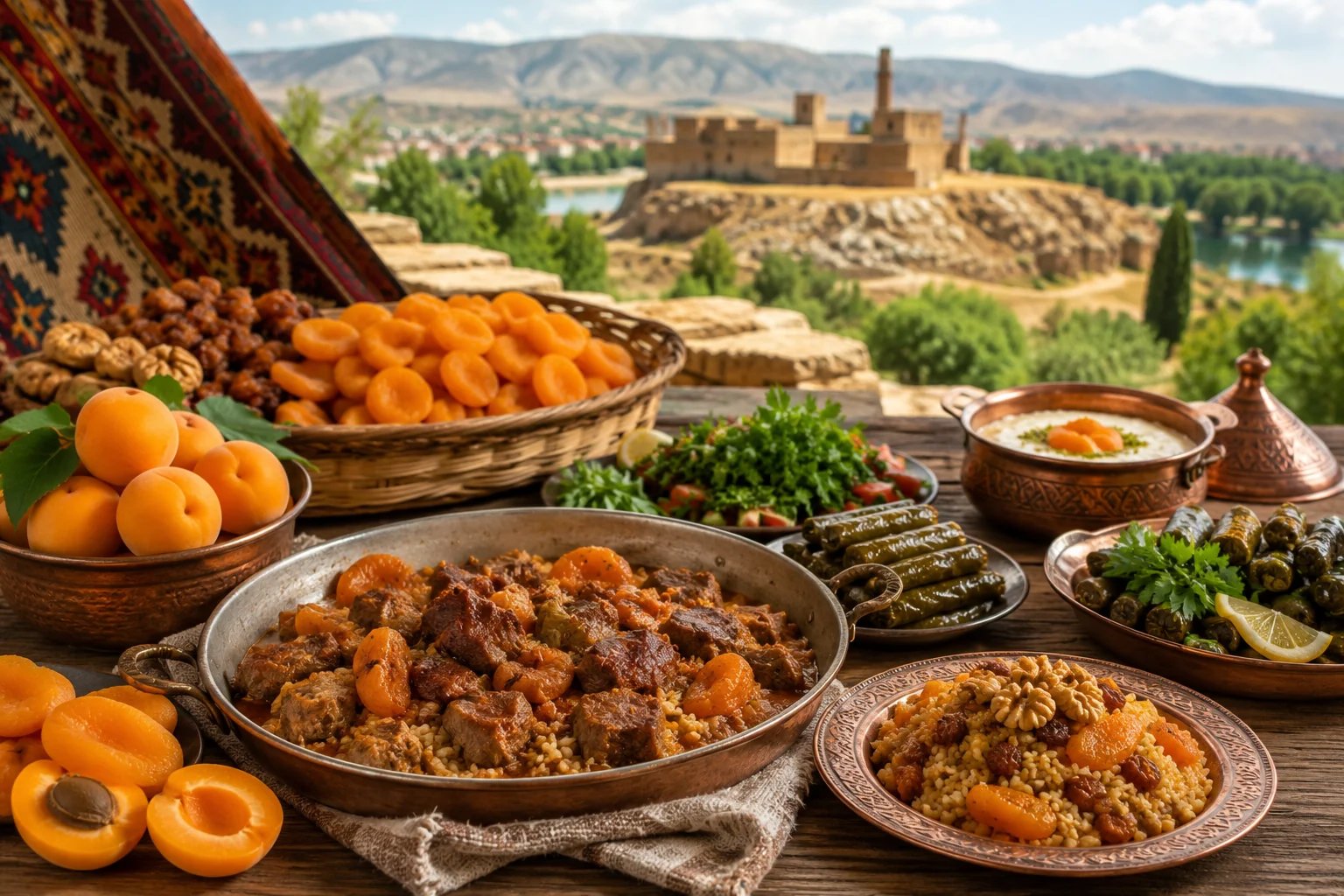
The deep-rooted heritage of Anatolian cuisine is not confined to meat dishes or pastries alone. Each region’s climate, agriculture, and way of life have imparted distinctive flavours to its tables. Among the most striking examples of this richness is Malatya. As one of the cities worldwide synonymous with apricots, Malatya skillfully incorporates this prized fruit not only into desserts but also into numerous traditional recipes, from main courses to stuffed dishes.
Today, when one speaks of Malatya cuisine and apricot dishes, the first thought is invariably the fruit’s versatile use in the kitchen. The balanced union of sweet and savoury stands as one of the most distinctive expressions of Anatolia’s centuries-old culinary culture.
The Cultural Significance of Apricots in Malatya
Malatya is among the cities that account for a substantial share of global dried-apricot production. Thanks to the region’s climate, soil composition, and a production tradition spanning many years, apricots have become not merely an economic crop but also an important element of its cultural identity.
The activity that begins with the harvest season sustains the culture of communal effort in which families work together, while the recipes used at the table continue to be passed down from one generation to the next.
In Malatya, apricot is not merely a fruit cultivated in the region, but an integral part of daily life and the ethos of hospitality.
What is the difference between sun-dried apricots and dried apricots?
Sun-Dried Apricots
Sun-dried apricots are apricots naturally dried under the sun without undergoing any chemical treatment.
Thanks to this method;
- It assumes a deeper hue.
- Its aroma is more pronounced.
- It preserves the natural flavour of the fruit.
- Its soft texture makes it easy to use in cooking.
In traditional Malatya cuisine, the apricot variety most commonly chosen for numerous recipes is sun-dried apricot.
Dried Apricots
Dried apricots undergo specific treatments during the drying process to preserve their colour.
Owing to their lighter hue, they are frequently chosen for breakfasts, snacks and dessert presentations.
Although both products rank among Malatya’s notable gastronomic treasures, their applications may vary according to the recipe.
Apricots Are Not Limited to Desserts
The Balanced Flavour of Apricot in Meat Dishes

One of the most striking features of Anatolian cuisine is its ability to harmonise sweet and savoury on the same plate.
In Malatya cuisine, apricot;
- in dishes prepared with lamb
- in certain stews
- In meat-based pot dishes
- At traditional banquet tables
it is used as a natural flavour balancer.
According to chefs’ consensus, apricot lends a subtle fruity depth to dishes without overpowering the richness of the meat.
In Dolma and Stuffings
In certain traditional recipes from Malatya, finely chopped dried apricots are added to fillings based on rice or bulgur, creating a distinctive balance of flavours.
This practice offers a fine example of the harmony between sweet and savoury found across different regions of Anatolia.
Regional Apricot Desserts
When apricots are mentioned, desserts are naturally the first thing that comes to mind.
Among regional apricot dishes are;
- Apricot desserts
- Apricot compote
- Apricot preserves
- Apricot pastries filled with walnuts
- Flour-based apricot desserts
as well as many other traditional recipes.
The common thread uniting these recipes is their ability to balance sugar usage while bringing the fruit’s natural aroma to the fore.
The Balance of Sweet and Savoury in Anatolian Cuisine

In modern culinary thought, the pairing of sweet and savoury may appear to be a novel approach; yet in Anatolian cuisine, its origins trace back several centuries.
Natural products such as apricot, grape, plum, and pomegranate molasses are employed in balanced measure in meat dishes, thereby adding distinct layers of flavour to the table.
Gastronomic studies also regard this facet of Anatolian cuisine as one of the world’s richest culinary traditions.
The apricot stands among the finest examples of how flavour arises not merely from spices, but from the harmony of natural ingredients.
Passing Traditional Recipes to New Generations
Recipes are more than mere lists of ingredients.
Behind every recipe lie the cooking techniques learned from elders, knowledge of the seasons, selection of ingredients, and the value accorded to the shared table.
In Malatya cuisine, recipes prepared with apricots also constitute significant elements of this cultural heritage.
Today, the growing interest in regional cuisines within the gastronomic world has rendered the preservation of these recipes and their transmission to future generations all the more important.
In Başakşehir, Tables Bearing the Traces of Anatolian Cuisine

In a major city such as Istanbul, people now wish not merely to dine but also to experience regional culinary culture.
Consequently, searches such as Başakşehir Anatolian cuisine, Başakşehir family restaurant, Başakşehir regional dishes, Başakşehir kebab, Başakşehir restaurant for hosting guests and Başakşehir group dining are attracting increasing attention.
Restaurants committed to preserving the traditional flavours of Anatolia distinguish themselves not only through their menus but also through their respect for cultural heritage.
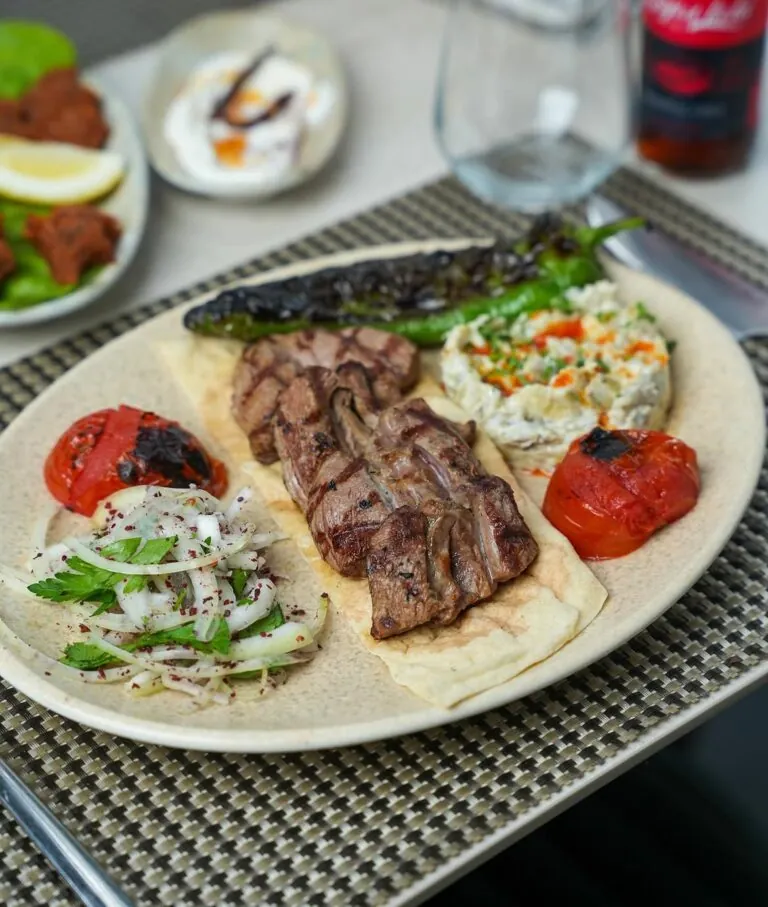
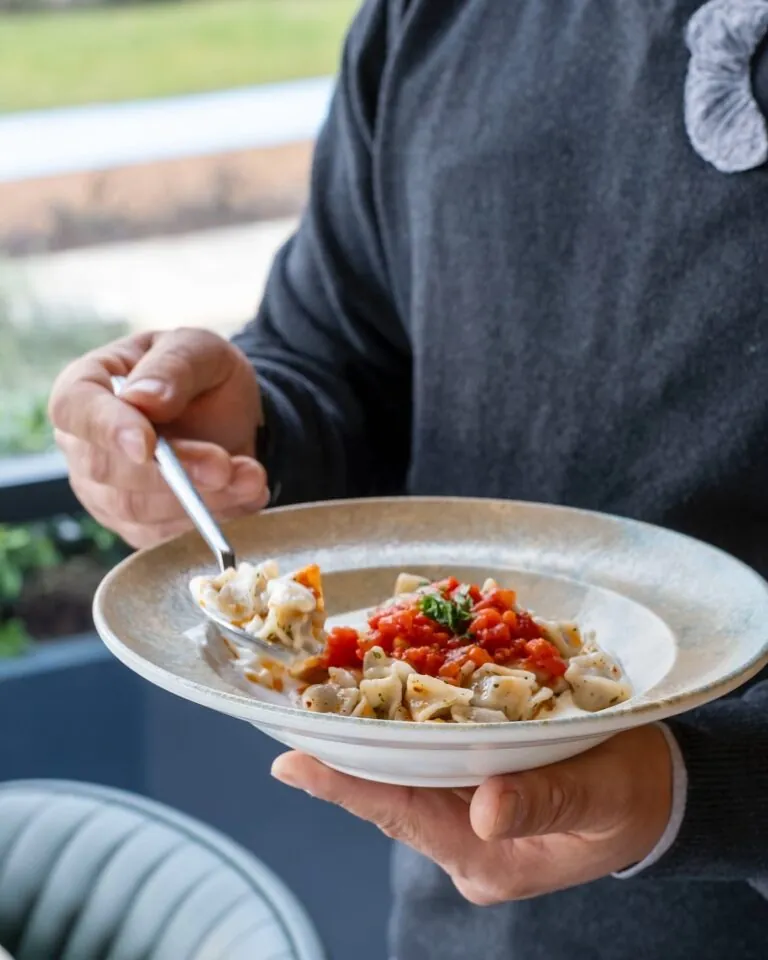
In Başakşehir, Çakı Restoran welcomes its guests with a philosophy centred on being one of the foremost destinations for Anatolian cuisine, from breakfast to kebab, and brings to its tables an approach inspired by Malatya’s deeply rooted culinary culture. With its reverence for traditional recipes, meticulous presentation, warm family atmosphere and an ambiance that embodies Anatolian hospitality, it stands out as one of the most notable stops for those seeking to discover regional flavours on the European side of Istanbul.
Frequently Asked Questions
Why is apricot so significant in Malatya cuisine?
Malatya is one of the world’s most important centres for apricot production. Apricot is regarded as a symbol of the city, both economically and culturally, and features in numerous traditional recipes.
Is there a difference between sun-dried apricots and dried apricots?
Yes. Sun-dried apricots are dried naturally in the sun and tend to be darker in colour. Dried apricots, by contrast, may undergo different drying processes designed to preserve their colour.
Are apricots used only in desserts?
No. In Malatya cuisine, apricots are also used in meat dishes, stuffed preparations, compotes, fruit purées, and certain traditional pot dishes.
Why are sweet and savoury flavours combined in Anatolian cuisine?
This approach has been one of the defining characteristics of Anatolian cuisine for centuries. Dishes featuring meat are crafted with balanced, layered flavours using natural ingredients such as apricot, grape, and pomegranate molasses.