What distinguishes Anatolian cuisine from the world’s other culinary traditions is not merely its recipes. The true distinction lies in the culture that forms around the meal. Sitting at the same table, sharing bread, welcoming guests with the finest dishes, and ensuring that no one leaves until all are satisfied have been integral to the Anatolian way of life for centuries.
This ethos, now recognised in the gastronomic world as “table culture”, is a tradition passed down through generations in Anatolia. The quality of the ingredients is as important as the preparation process, cooking technique, and the manner in which the dish is presented to the guest.
In Başakşehir, one of Istanbul’s rapidly expanding districts, Çakı Restoran is among the establishments that continue to uphold this culture. Its kitchen brings together the deep-rooted heritage of Malatya cuisine with carefully selected recipes from various regions of Anatolia, bringing traditional flavours to the table with a presentation that meets contemporary expectations.
The True Flavour of the Anatolian Table Lies in Sharing
In Anatolia, a meal has never been regarded as a solitary necessity. To set the table is also to gather family, friends, and guests in a social occasion.
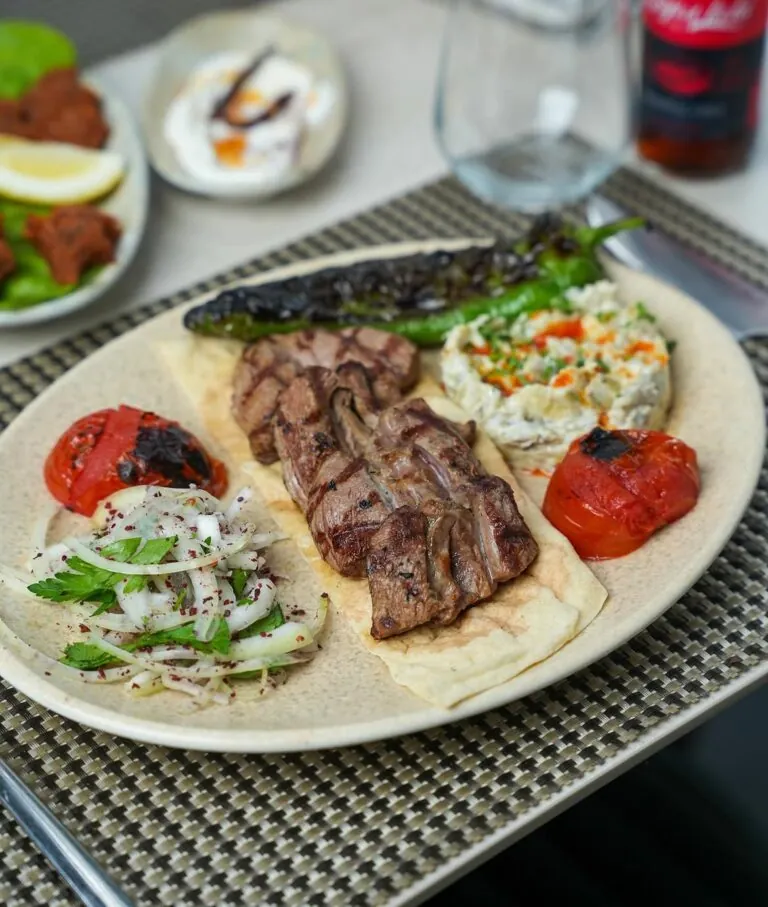
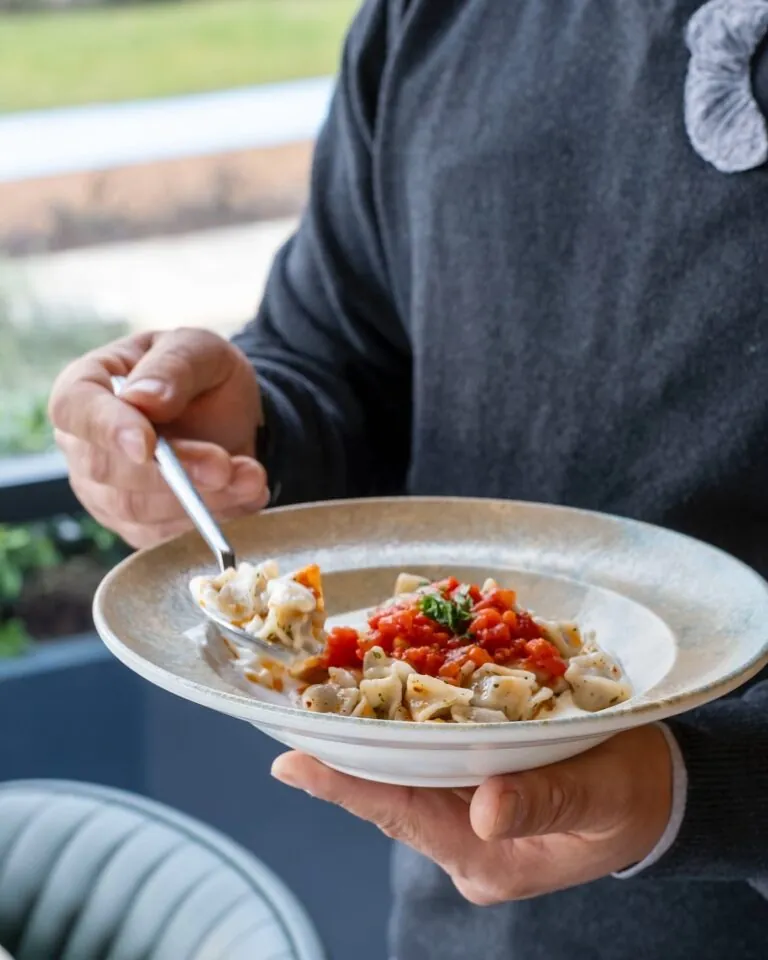
As in days of old, large family meals, festive tables, weekend breakfasts and special gatherings are still marked by dishes placed at the centre of the table to be shared. İçli köfte is not intended for a single person; it is prepared so that everyone may partake. Sarma is not merely a main course, but a symbol of painstaking labour. Kebab, likewise, is not simply meat: it represents a traditional cooking culture in which skill meets the fire.
Consequently, guests seeking Başakşehir Anatolian cuisine are looking not only for flavour but also for a table that evokes the spirit of sharing.
Malatya Cuisine Is One of Anatolia’s Most Enduring Heritage Traditions

Among Anatolia’s rich culinary traditions, Malatya occupies a distinctive place. The region’s cuisine is characterised by the dozens of ways in which bulgur is used, its leaf-based dishes, köfte, sarma, and its uniquely balanced use of spices.
A common feature of Anatolian cities that have also attracted gastronomic attention from UNESCO is their approach to making the most of local produce without waste. Malatya cuisine is one of the most important representatives of this tradition.
The exceptionally thin outer layer of the stuffed bulgur dumplings, the painstakingly prepared rolls, the carefully marinated kebabs, and the traditional main courses are not merely recipes but the culmination of years of culinary experience.
The kitchen of Çakı Restoran draws upon this very ethos. By uniting Malatya’s deeply rooted culinary traditions with the shared gastronomic memory of Anatolia, it preserves time-honoured recipes while adapting them for contemporary tables through modern presentation techniques.
Behind Every Flavour Lies Unseen Labour

A fine dish does not emerge solely at the moment of cooking. The true process begins far earlier.
The careful selection of ingredients, the resting of the meat, the balancing of spice proportions, the preparation of the bulgur’s texture, the individual wrapping of the leaves, and every step that follows until service—all these constitute the unseen labour of the kitchen.
The preparation of a single serving of stuffed bulgur dumplings involves dozens of stages. Likewise, traditional grape-leaf rolls demand patience. In kebabs, control of the fire, the quality of the meat, and cooking time are the most important indicators of skill.
This is also what the traditional cuisines valued in today’s gastronomic world have in common: their ability to sustain recipes that require knowledge, experience, and time rather than rapid production.
Traditional Recipes Meet Modern Presentation

One of the most notable trends to emerge in global gastronomy in recent years is the presentation of traditional recipes with contemporary styling, without compromising their essence.
While the flavour remains the same, the presentation becomes simpler, more aesthetically refined, and more balanced. In this way, the dish preserves its traditional identity while meeting the expectations of today’s guests.
This approach is equally evident in the kitchen of Çakı Restoran. While traditional Malatya recipes are preserved, the service arrangement, plate presentation, and kitchen organisation are integrated with the standards of a modern restaurant.
This approach enables guests seeking a Başakşehir Turkish cuisine restaurant to experience authentic flavours while enjoying their time in a contemporary restaurant setting.
Anatolian Tables Offering Far More Than Kebab
Many associate Anatolian cuisine solely with kebab. Yet the true Anatolian table is far more expansive.
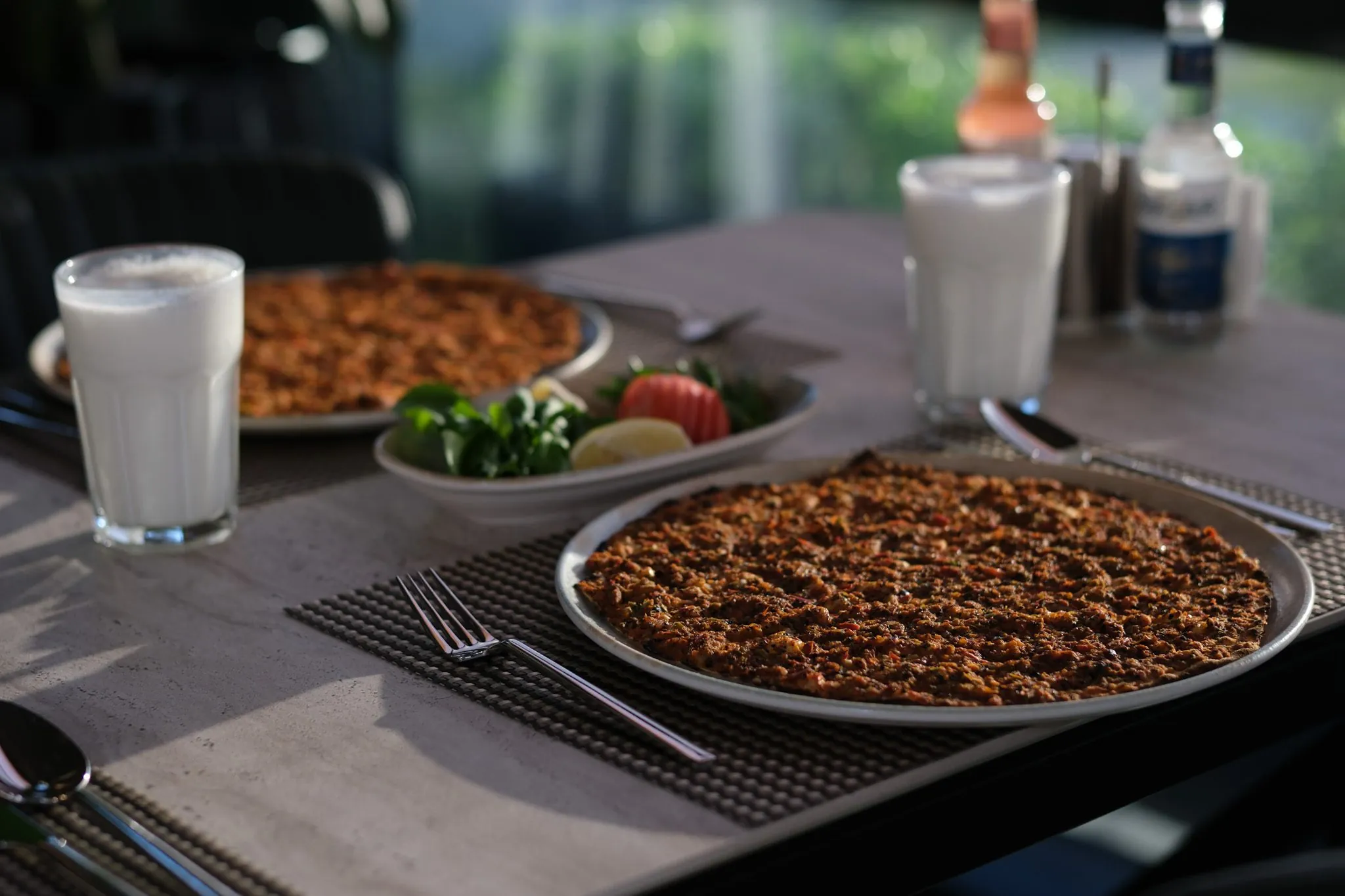
Regional starters, olive-oil-based dishes, içli köfte, yaprak sarma, traditional soups, meat dishes, stone-oven delicacies and warm platters suited to sharing are all complementary elements of the same table.
This diversity enables family members with differing palates to gather at the same table. The dishes children enjoy, the traditional recipes familiar to elders, and shareable starters naturally harmonise on a single table.
In this respect, for those seeking Başakşehir regional dishes, Anatolian cuisine becomes not merely a dining choice but a cultural experience.
Başakşehir’s Living Culture of the Anatolian Table

Başakşehir, and particularly the Kayaşehir area, has in recent years become one of the key residential hubs where families from different cities come together.
In such an area, people seek not only good food but also a warm setting where they can spend quality time with their children, welcome guests with peace of mind, and enjoy lengthy conversations.
It is precisely at this point that the spirit of the Anatolian table regains its meaning.
For a fine restaurant is not merely a place that prepares high-quality food. Establishments that bring people together once more at the same table, prolong conversation, and welcome guests with the comfort of home are the ones that endure in memory.
This philosophy is also evident in the culinary culture embraced by Çakı Restoran. The principle of being the foremost destination for Anatolian cuisine in Başakşehir, from breakfast to kebab, speaks not only of the menu but also of the care devoted to the table and the hospitality extended to guests.
Conclusion
Anatolian cuisine is far more than a mere accumulation of centuries-old recipes. Every dish embodies a culture of sharing, mastery, patience, and respect for the guest.
Today, Malatya cuisine continues to be among the most acclaimed culinary traditions in Istanbul, while the restaurants that sustain this culture carry Anatolia’s rich gastronomic heritage into the future.
For those seeking Anatolian cuisine in Başakşehir on Istanbul’s European Side, a kebab restaurant in Başakşehir, or Anatolian cuisine in Kayaşehir, flavour alone is not what matters. A warm welcome, meticulously prepared dishes, and a table where families can enjoy time together form an inseparable part of the experience. When Anatolia’s convivial tables are set by the right hands, they leave behind not only unforgettable flavours but also enduring memories.